

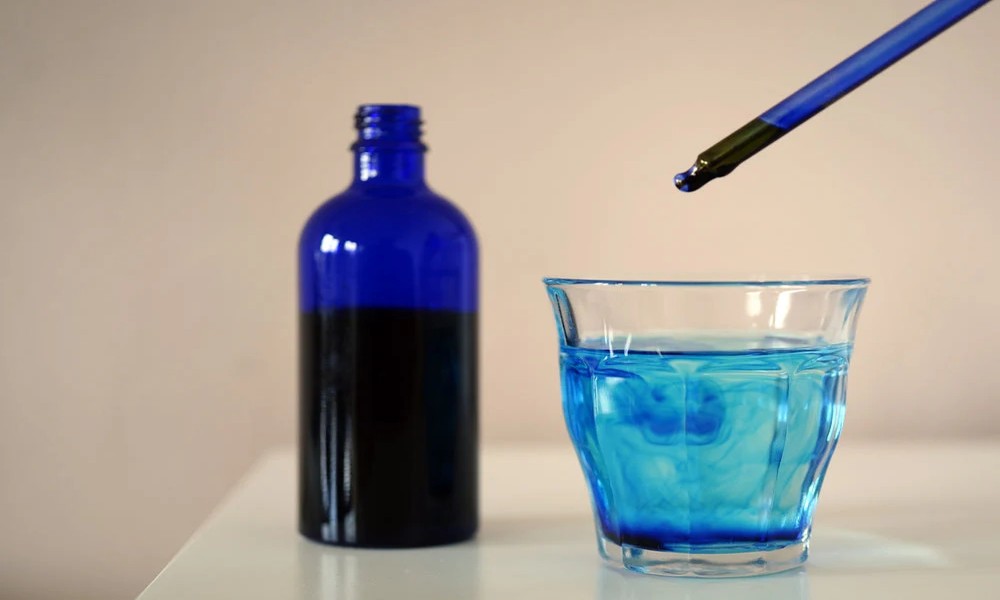
The initial round of treatment for Lyme disease doesn’t end with a Hopkins study for many people aka chronic Lyme disease. Fatigue, joint pain, brain fog, and nerve discomfort may last for months to years. As a result, what happens is that patients end up seeking treatments outside of the regular therapeutic protocols. One subject of interest is methylene blue Lyme disease treatment.
Even though research is still ongoing, there has been increased mention of methylene blue in both Lyme support groups and integrative medicine.
Why Methylene Blue Is Being Talked About?
Methylene blue is a molecule that has been around for more than a hundred years! It has been used by doctors for a series of medical conditions that include blood-related disorders. More recent interest has turned towards neurological health and chronic infections.
The discussion on methylene blue Lyme disease arises from the potential antimicrobial and cellular effects of this agent. Some healthcare professionals think it could promote use in cells and may also kill hard-to-treat types of bacteria.
These ideas sound interesting, but they are faintly supported by scientific evidence.
Patients Move Toward Alternatives for Chronic Lyme Symptoms
Another reason methylene blue Lyme disease talk of any kind keeps on expanding is that constant side effects can attack day to day life.
Many patients report:
- Constant exhaustion
- Trouble concentrating
- Mood changes
- Muscle weakness
- Sleep problems
- Nerve discomfort
Patients often research for other therapies when symptom relief is not complete with standard treatments.
Methylene blue is just one of numerous experimental approaches individuals may discuss in-person or on the internet, notably in functional medicine clinics.
Brain Fog and Cognitive Support
Brain fog is one of the most irritating symptoms that Lyme patients tend to experience. It’s what some people call when they no longer feel mentally or not being able to think through each word well, and so forth.
This is where methylene blue Lyme disease treatment has received particular attention.
Methylene blue also appears to have an effect on brain energy metabolism, mitochondrial activities. Supporters contend that this may usefully boost concentration, cognition, and mental acuity in some patients.
Nonetheless, results are by no means assured, and results fluctuate broadly.
Important Safety Concerns
While methylene blue is becoming more popular, it should never be taken lightly.
This compound could interfere with certain medications, specifically antidepressants affecting serotonin levels. Inappropriate use can lead to dangerous reactions.
Possible side effects may include:
Common Side Effects
- Headaches
- Nausea
- Sweating
- Dizziness
Less Common Risks
- Medication interactions
- Increased blood pressure
- Serious serotonin-related complications
Caution: Anyone trying methylene blue Lyme disease protocols should do so under a doctor’s care.
What Doctors Currently Say?
Medical opinions remain mixed. While some integrative doctors include methylene blue as part of a comprehensive Lyme treatment program, many conventional physicians argue it will take more clinical research to validate its use.
Currently, methylene blue Lyme disease therapy is not regarded as a standard or FDA (American Food and Drug Administration)-approved therapy.
Patients need to be aware of that distinction.
Final Thoughts
This exchange regarding methylene blue Lyme disease points to a deeper problem in the Lyme community, that many of those suffering remain in search of answers.
Some data suggests methylene blue may help a subset of individuals, particularly with cognitive symptoms and fatigue. However, studies are not exhaustive, and safety should always be top priority.
Caution is the name of the game where new therapies are concerned, and definitely don’t assume that just because one thing works for them, it works for everyone − patients should rely on their providers.