

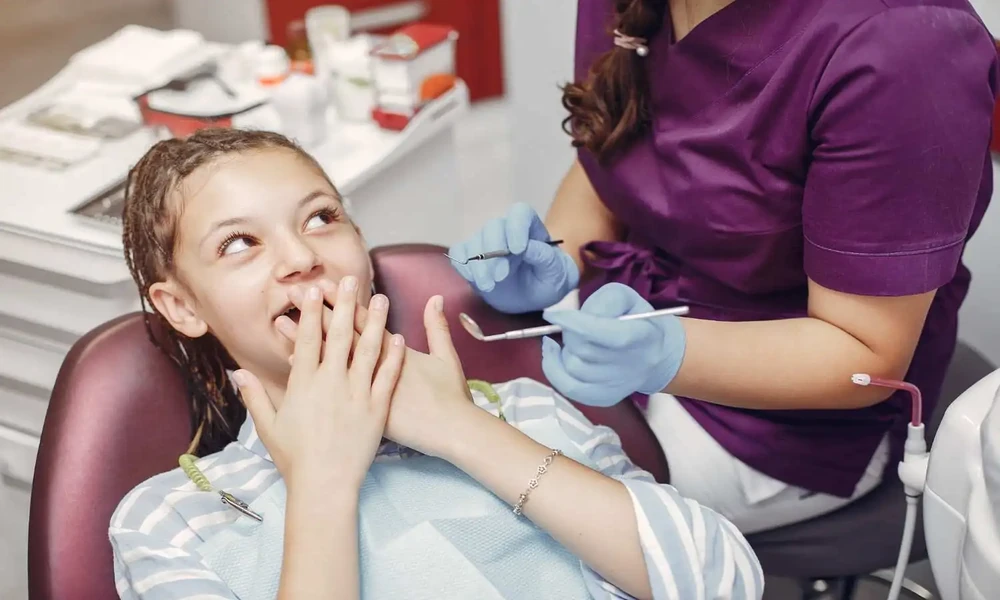
You hear that your child has a cavity, then in the same breath someone mentions crowding, spacing, or braces down the road, and your mind goes straight to timing, cost, and whether one problem is about to make the other worse. That reaction is normal. Most parents are not worried about one tooth in isolation. You are thinking about your child’s comfort, future orthodontic treatment, including discreet orthodontic treatment for teens in Merced, and whether fixing decay now could affect teeth that have not fully moved into place yet.
The short answer is that cavities near teeth that may need braces are usually treated first, then planned around future tooth movement. A children’s dentist and orthodontist often work from the same basic goal, which is to keep the tooth healthy enough to move safely later. If the decay is small, treatment may be simple. If it is deeper or close to a tooth that may need to be guided, held, or removed as part of orthodontic care, the plan becomes more tailored.
Children’s dentists treat decay first because healthy teeth move better with braces
Orthodontic treatment puts controlled pressure on teeth and the bone around them. That works best when the teeth and gums are healthy. If a child starts braces with untreated decay, the cavity can grow under the radar, pain can appear in the middle of treatment, and plaque becomes harder to manage around brackets and wires. That is why a pediatric dental team will usually stabilize active decay before braces begin.
With cavity treatment before braces, the dentist looks at more than the hole in the tooth. They check the child’s bite, age, X rays, how close the cavity is to the nerve, and whether that baby tooth or adult tooth has a role in future alignment. A small cavity on a baby molar may still matter a great deal if that tooth is holding space for an adult tooth that has not erupted yet.
That is where timing gets stressful for parents. You may wonder if the dentist will “just fill it” and move on, or if treating it now could interfere with braces later. In most cases, a filling, crown, or other repair supports orthodontic treatment rather than getting in its way.
Teeth that guide eruption need careful planning when cavities are nearby
Some teeth do more than chew. They hold space, guide nearby teeth into place, and help keep the bite balanced as the mouth grows. If decay affects one of those teeth, the treatment choice matters. A children’s dentist may use a filling for a smaller cavity, a stainless steel crown for a tooth with more damage, or pulp treatment if the inside of the tooth is involved. If a tooth cannot be saved, space maintenance may be needed so the surrounding teeth do not drift.
This is one reason pediatric cavity care and braces planning often overlap. If a baby molar is lost too early, the permanent teeth behind it can shift forward. That can reduce room for the adult tooth that is supposed to erupt there, which may make future orthodontic treatment more complex. MedlinePlus gives a clear overview of orthodontic treatment and how braces move teeth, and that movement depends on having the right space to work with.
Risk level also matters. A child with frequent snacking, dry mouth, poor brushing, or a history of multiple cavities may need stronger prevention even after the cavity is fixed. The American Academy of Pediatric Dentistry outlines caries risk assessment and management for children and adolescents, which helps guide fluoride use, sealants, home care, and recall visits.
Common treatment choices depend on the tooth, the decay, and the orthodontic plan
There is no single approach for every child. A shallow cavity on a front tooth that may later need minor alignment is different from deep decay on a baby molar that is preserving space for a crowded permanent tooth. A children’s dentist and orthodontist will often coordinate records and decide whether the tooth should be restored, monitored, or, in some cases, removed with a plan to manage the space.
| Situation | Common Dental Approach | Why It Matters for Braces |
|---|---|---|
| Small cavity on a permanent tooth | Tooth colored filling | Keeps the tooth healthy so brackets or aligners can be used later |
| Larger cavity on a baby molar | Stainless steel crown | Protects a tooth that may need to hold space until the adult tooth erupts |
| Decay close to the nerve | Pulp treatment with restoration | May save the tooth and avoid early loss that could affect alignment |
| Tooth cannot be saved | Extraction and possible space maintainer | Helps prevent neighboring teeth from drifting into needed space |
| High cavity risk before orthodontics | Fluoride, sealants, closer recall schedule | Reduces the chance of new decay during orthodontic treatment |
Children’s dentist and orthodontist care works best when parents act early
Waiting rarely makes this easier. A small cavity can become deep decay. A tooth that was easy to restore can move toward needing pulp treatment or extraction. At the same time, growth does not pause. Adult teeth keep erupting, spacing can tighten, and what could have been a simple plan may become a more involved one.
Parents often hope to avoid “doing too much” before braces, but early treatment is usually the conservative path. It protects tooth structure, lowers the chance of pain or infection, and gives the orthodontic team better options later. That is the practical side of managing cavities before orthodontic treatment. You are not choosing between fixing decay and planning braces. You are doing both in the right order.
Three steps you can take right away
1. Ask whether the tooth is holding space. If the cavity is on a baby tooth, ask if that tooth is important for guiding permanent teeth. That one answer changes how urgent the repair may be and whether space maintenance would matter if the tooth is lost.
2. Get the orthodontic timeline clarified. Ask whether braces, expanders, or monitoring are expected soon, or whether treatment is likely years away. A near term orthodontic plan can affect the choice of restoration and follow up schedule.
3. Tighten home care before appliances are placed. Brush twice a day with fluoride toothpaste, clean between teeth, and cut back on frequent sugary snacks and drinks. Children who struggle with plaque control before braces usually have a harder time once appliances are added.
If your child has decay near teeth that may need braces, you do not need to guess your way through it. The goal is simple even when the details are not. Treat the cavity, protect the tooth when possible, preserve space when needed, and build an orthodontic plan on a healthy foundation. If you are ready for answers, schedule a visit with a children’s dentist and orthodontist who can evaluate both the decay and the developing bite in one coordinated plan.