

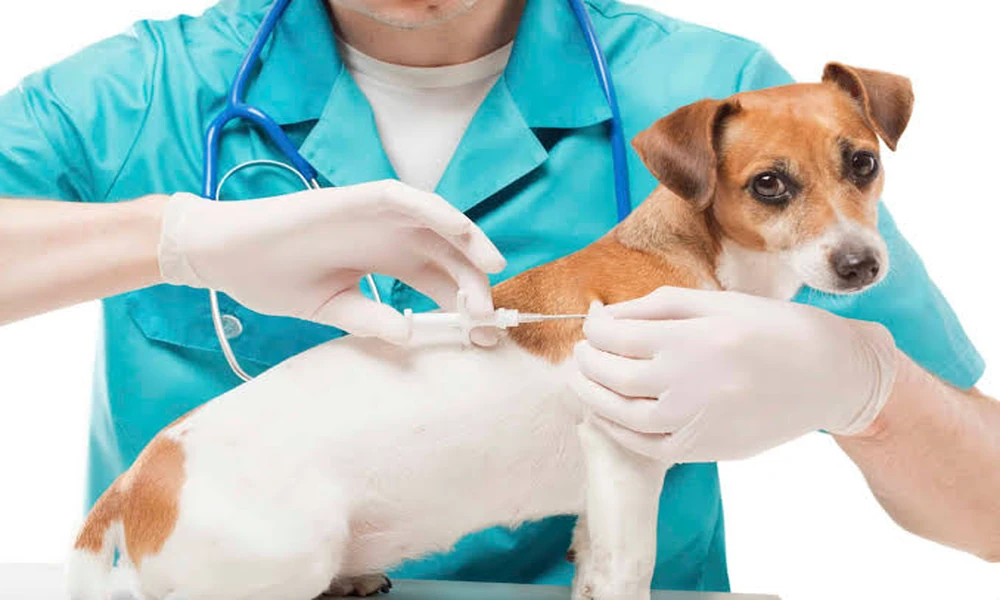
You do everything you can to keep your pet safe. As a Black Mountain Ranch veterinarian, you keep up with vaccines, watch their appetite, notice when their energy changes, and still there is one fear that sticks with you. A gate gets left open. A leash slips. Fireworks send a calm dog running, or a cat slips out during a move and does not come back by dinner. That kind of worry is hard to shake because it only takes a few seconds for a pet to disappear.
Microchipping fits naturally into routine vet visits because it gives your pet a permanent form of identification that collars and tags cannot match. It is quick, low maintenance, and useful in everyday life as well as emergencies. For many families, pet microchipping as routine veterinary care is one of the simplest steps that can make a real difference if the worst happens.
Microchipping gives lost pets a better path home
Collars break. Tags wear down or fall off. Indoor pets get out without warning and often do not have any visible ID on them. A microchip stays with your pet, which means a shelter or veterinary clinic can scan for contact information even if everything else is gone.
That matters most in the first hours after a pet is found. If the chip is registered and the contact details are current, staff can reach you fast. If it is not, you are left in the painful space many owners know too well, calling shelters, posting online, and hoping someone recognizes your pet from a blurry photo.
Virginia Tech’s veterinary hospital explains the basics of microchipping your pet, including how a chip works and why registration matters just as much as placement.
Routine veterinary care is the easiest time to handle microchipping
Adding a microchip during a regular appointment removes the friction that causes people to put it off. You are already at the clinic. Your veterinarian already has your pet’s medical record. If your pet is due for a wellness exam, vaccines, or spay or neuter care, this small step can be handled without another round of scheduling and second guessing.
Many pets tolerate microchip placement well during a standard office visit. For young pets, it can become part of the normal preventive care plan from the start. For older pets, it closes a gap that may have been there for years. That is one reason microchipping during regular vet visits makes sense. It turns a task people mean to do someday into something done and documented.
Travel rules and emergency planning make permanent ID more useful
Travel with pets has become more complicated, not less. If you are moving across state lines, flying, or planning international travel, identification and records matter. The CDC shares current guidance for traveling with pets, and the USDA outlines the pet travel process overview for owners preparing for domestic and international requirements.
A microchip does not replace every travel document, but it supports the entire chain of proof that your pet is yours. That becomes even more useful during natural disasters, evacuations, boarding stays, and moves. In stressful situations, paperwork gets misplaced and tags can disappear. A chip stays put.
Accurate records protect your pet and reduce confusion
A microchip only works well when the registration is accurate. People forget this part all the time. They move, change phone numbers, switch email addresses, or adopt a pet from someone else and never update the registry. Then the chip exists, but the trail goes cold.
Good recordkeeping fixes that problem. The USDA has a practical note on animal recordkeeping that shows why consistent, current information matters. In a veterinary setting, this is easy to review during annual exams. Your vet team can confirm the chip number in the medical file, scan the chip to make sure it reads properly, and remind you to update your registry if anything has changed.
This is where a general veterinarian helps beyond the actual insertion. The value is not just the chip. It is the follow through.
Microchipping is low effort now and high value later
Some preventive care asks a lot of you. Daily medication, long recovery periods, special diets. Microchipping is not one of those things. Once it is placed and registered, there is very little you need to do other than keep your contact details current.
The benefit shows up later, often at the exact moment you need help most. If your pet is found injured, frightened, or far from home, a working chip can connect the finder to you without delay. That can reduce boarding costs, shelter stress, and the emotional toll of a long search.
Microchipping compared with tags and other identification methods
| Identification Method | Main Benefit | Main Limitation | Best Use |
|---|---|---|---|
| Collar tag | Immediate visible contact info | Can break, fall off, or become unreadable | Daily wear with current phone number |
| Microchip | Permanent ID linked to owner records | Requires scanning and updated registration | Backup that stays with the pet for life |
| GPS tracker | Real time location in some situations | Needs battery, signal, and attached collar | Extra support for escape prone pets |
| Tattoo or visible marking | Can be seen without a scanner | May fade and often lacks direct contact data | Limited secondary identification |
The strongest approach is not choosing one over the others. It is layering them. Visible tags help a neighbor call you quickly. A microchip helps when your pet ends up at a clinic or shelter. That is why routine pet identification through veterinary care works best when it is built into the larger plan for prevention.
Three steps you can take right away
Schedule microchipping at the next wellness visit. If your pet is not chipped, ask your general veterinarian to add it to the next routine appointment. If your pet already has one, ask the staff to scan it and confirm the number matches your records.
Update the registration today. Check the phone number, address, and emergency contacts tied to the chip. If you adopted your pet, make sure the registration was transferred into your name.
Use a layered ID plan. Keep a collar tag on your pet, save current photos on your phone, and store vaccine and ownership records in one place. If your pet slips out, you will not be trying to rebuild that information while panicking.
Pets do not plan to get lost, and owners do not expect an ordinary day to turn into a frantic search. Microchipping is one of those quiet steps that seems small until you need it. When it is part of routine veterinary care, it is more likely to get done, recorded, and kept current. That gives your pet a stronger safety net and gives you one less thing to worry about.