

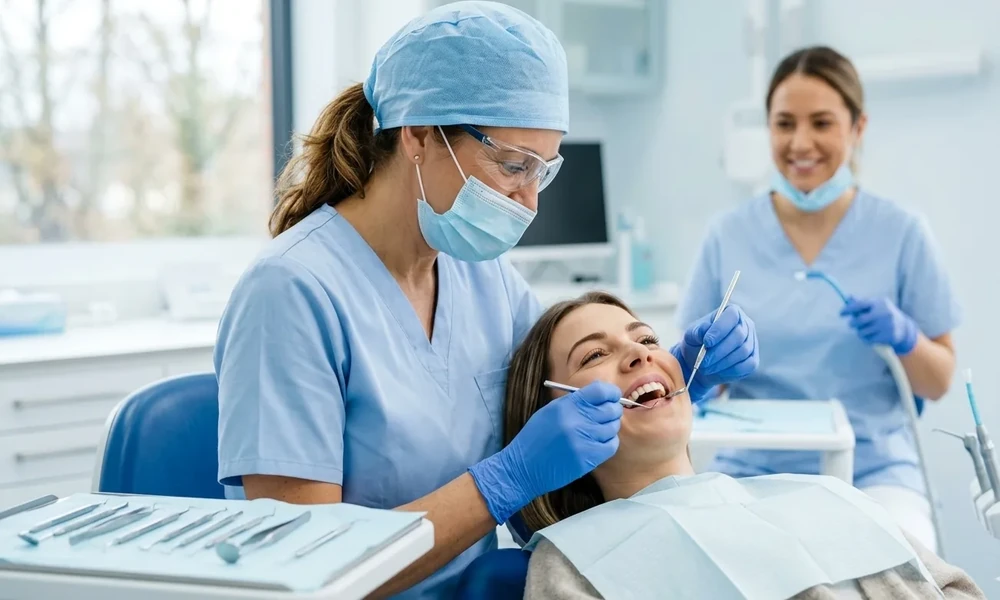
Your child used to walk into the dentist with a sticker in one hand and a stuffed animal in the other. Now they cross their arms, glance at the murals, and act like the whole place is “for little kids.” That shift can catch you off guard, especially when they still need the kind of support a younger patient gets from a family-friendly kids dentist in Chino. You are not imagining the tension. Preteens often want more independence before they are ready for fully adult care, and dental visits become one more place where that push and pull shows up.
This is where pediatric dentistry for preteens makes sense. A children’s dental office is not only for toddlers with first teeth. It is built for growing kids who are dealing with braces, sports injuries, changing routines, and a lot of opinions about what they will and will not do. The right office knows how to speak to a child who wants to be treated with more respect, not less care.
Preteens still need a pediatric dentist even when they want a more grown up experience
Preteens are in a dental stage that gets overlooked. They are old enough to resist reminders about brushing, young enough to miss spots, and busy enough to treat oral care like an afterthought. Add school, snacks on the go, sleepovers, sports drinks, and orthodontic appliances, and small issues can build fast.
A pediatric dentist is trained for this stretch of development. That matters because preteens do not just have bigger mouths than they did at six. They have different risks, different fears, and different ways of communicating. One child worries about pain but pretends not to care. Another is embarrassed by cavities because friends are getting braces and whitening toothpaste ads are everywhere. A good pediatric office reads that mood and adjusts.
That does not mean talking down to them. It means treating them like kids who are growing up, which is very different from treating them like adults. In many offices, the best visits happen when the team speaks directly to the preteen, explains what is happening, and gives them some control. Even simple choices, like picking the flavor of polish or hearing the cleaning steps before they happen, can lower resistance.
Children’s dental care for older kids supports changing habits and higher cavity risk
The idea that a preteen has “outgrown” a children’s office usually comes from appearance, not need. The cartoon wall art may feel babyish to them, but the clinical care is often exactly what they need. Children’s dental care for older kids covers the years when permanent teeth are coming in fully, hygiene gets less consistent, and prevention becomes more important.
Cavities remain common in school age children, and prevention still works. The CDC offers practical oral health tips for children that apply well into the preteen years, including brushing with fluoride toothpaste and keeping up with routine visits. Sealants can also make a real difference. The National Institute of Dental and Craniofacial Research explains how dental sealants protect the chewing surfaces of back teeth, where many cavities start.
If your child says they brush “fine,” but their molars tell a different story, that is common. If they are wearing braces or an expander and now every meal seems to get stuck somewhere, that is common too. If they are suddenly self-conscious about bad breath, crowding, or stained teeth, that matters because shame can make avoidance worse. A pediatric office that sees preteens every day knows how to handle those moments without turning them into a power struggle.
Pediatric dental care helps bridge the gap between little kid routines and teen independence
There is also a practical side. Preteens are learning self-care, but they still need oversight. You may be trying to decide how much to step back. If you say nothing, brushing slips. If you say too much, every reminder turns into an argument. That same dynamic can show up in the chair. A pediatric team is used to coaching both of you through it.
General dental information from MedlinePlus on child dental health reflects this bigger picture well. Oral health is tied to daily habits, diet, fluoride, and regular care. For preteens, the challenge is rarely knowledge alone. It is follow through.
| Common preteen issue | What happens at home | How a pediatric dentist helps |
|---|---|---|
| Rushed brushing | Missed molars, weak flossing, “done in 20 seconds” brushing | Shows technique in a way that fits the child’s age and attention span |
| Braces or expanders | Food traps, sore spots, more plaque buildup | Monitors gum health, cleaning challenges, and cavity risk around appliances |
| Sports and active play | Risk of chipped or injured teeth | Checks for damage and discusses mouthguard protection |
| Resistance to “kid” settings | Embarrassment, eye rolling, refusal to engage | Uses age respectful communication while keeping child focused care |
| Deep grooves in permanent molars | Hard to clean well even with decent brushing | Evaluates whether sealants can lower cavity risk |
Small changes can make pediatric dentistry feel more age appropriate for preteens
You do not need to force enthusiasm. You need a setup that respects where your child is now. Many preteens do better when they know the office is not asking them to act younger than they feel. Sometimes the fix is as simple as scheduling them at a quieter time, asking staff to address them first, or letting them sit in on a brief explanation of X rays, sealants, or cavity prevention instead of hearing everything secondhand through you.
Ask for a more direct conversation. Tell the dental team your child wants a more grown up experience. Ask them to explain findings and next steps directly to your preteen. That one shift often changes the tone of the visit.
Focus on current risks, not old routines. Talk about braces, sports drinks, late night snacking, and busy mornings. Preteens listen better when advice matches their real life instead of sounding like a lecture they have heard since kindergarten.
Use the visit to build independence with backup. Let your child answer questions, hear recommendations, and take part in the plan. You still stay involved. Independence works better when someone is quietly checking that it is actually happening.
Your child does not have to choose between feeling grown up and getting the right dental care. A good pediatric dentist can meet them in the middle, with care that fits their age, their risks, and their need for a little more dignity. If your preteen is pulling away from the idea of a children’s office, that is not a sign to stop. It is a sign to find an approach that treats them like who they are now.