

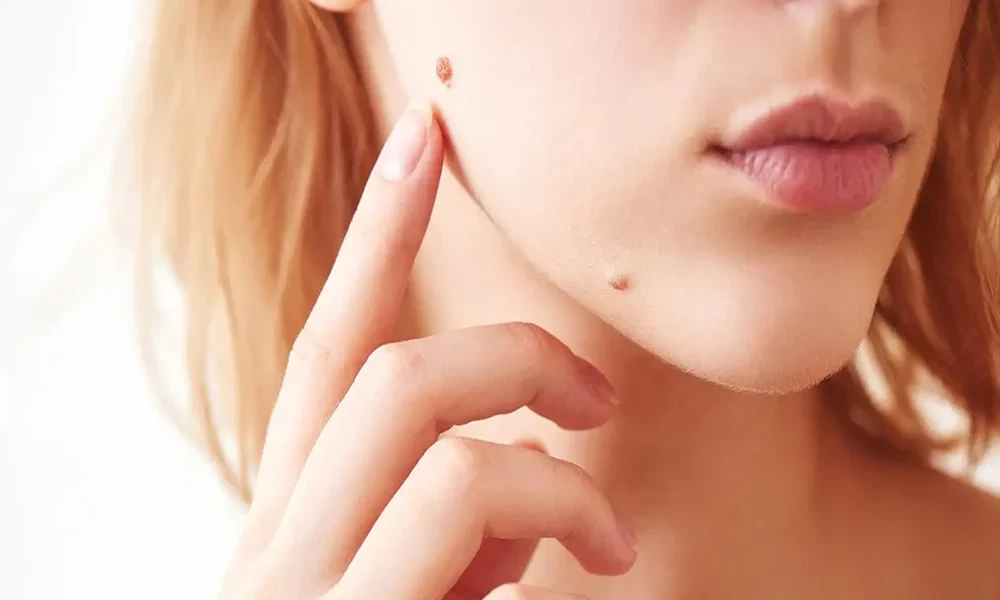
Moles are common skin features that can differ in size, colour, shape, and texture. Most are harmless, but changes in an existing mole or the appearance of an unusual growth can make professional assessment appropriate. Medical clinics provide structured evaluation to help establish what a mole may require and whether removal is suitable.
For those looking into a Mole Removal Clinic Birmingham, the process generally begins with an examination rather than immediately proceeding with treatment. A healthcare professional can assess the mole, discuss relevant concerns, explain available options, and provide guidance about preparation and recovery.
The Role of Medical Clinics in Skin Assessment
Medical clinics provide an appropriate setting for examining skin growths and discussing potential treatment. An assessment can focus on the mole’s appearance, location, size, and any changes that have occurred over time.
A healthcare professional may also ask about symptoms such as itching, bleeding, tenderness, crusting, or changes in colour. This information can help establish whether the growth has features that require closer attention.
Professional assessment is particularly important because different types of skin growths can sometimes appear similar. Identifying the growth correctly is an important step before deciding on treatment.
How Doctors Evaluate Moles
During an appointment, a doctor may examine the mole closely and assess characteristics including its borders, colour, shape, surface, and size. The surrounding skin may also be examined to provide additional context.
The medical history associated with the mole can be relevant. Patients may be asked when they first noticed it, whether it has changed, and whether any symptoms have developed. Previous skin concerns and relevant medical information may also be discussed.
If the mole has features that require further investigation, the doctor can explain what additional assessment may be appropriate before removal.
Determining Whether Removal Is Appropriate
Removal is not automatically necessary for every mole. The decision can depend on its appearance, symptoms, location, and the findings from the medical assessment. A mole that repeatedly catches on clothing or becomes irritated may be suitable for removal, while another may simply require monitoring.
Cosmetic concerns can also form part of the discussion. A doctor can explain the potential benefits and limitations of treatment while addressing possible risks, healing requirements, and scarring.
Where a mole appears unusual, further medical evaluation may be required before a removal procedure takes place.
Common Mole Removal Techniques
Different removal methods may be suitable depending on the type and characteristics of the mole. Surgical excision removes the growth using medical instruments and may be selected for certain lesions. Shave removal is another technique that can be appropriate for some raised moles.
Local anaesthetic may be used to improve comfort during treatment. The healthcare professional can explain the selected method, expected procedure time, and what happens after the mole has been removed.
In some circumstances, removed tissue may be sent for examination. This can provide additional information about the nature of the growth when clinically appropriate.
Patient Care Before and After Treatment
Before treatment, patients can discuss the procedure, potential outcomes, aftercare requirements, and any concerns with the healthcare professional. Providing relevant medical information can also help the clinic plan appropriate care.
After removal, the treated area may be red, tender, swollen, or sensitive for a period of time. Following the recommended wound-care instructions can support normal healing. Patients may be advised to keep the area clean, avoid picking at healing tissue, and protect the site from unnecessary friction or sunlight.
Scarring can vary according to the removal technique, mole location, size, and individual healing response. Any increasing pain, significant swelling, unusual discharge, or unexpected changes should be reported to a healthcare professional.