

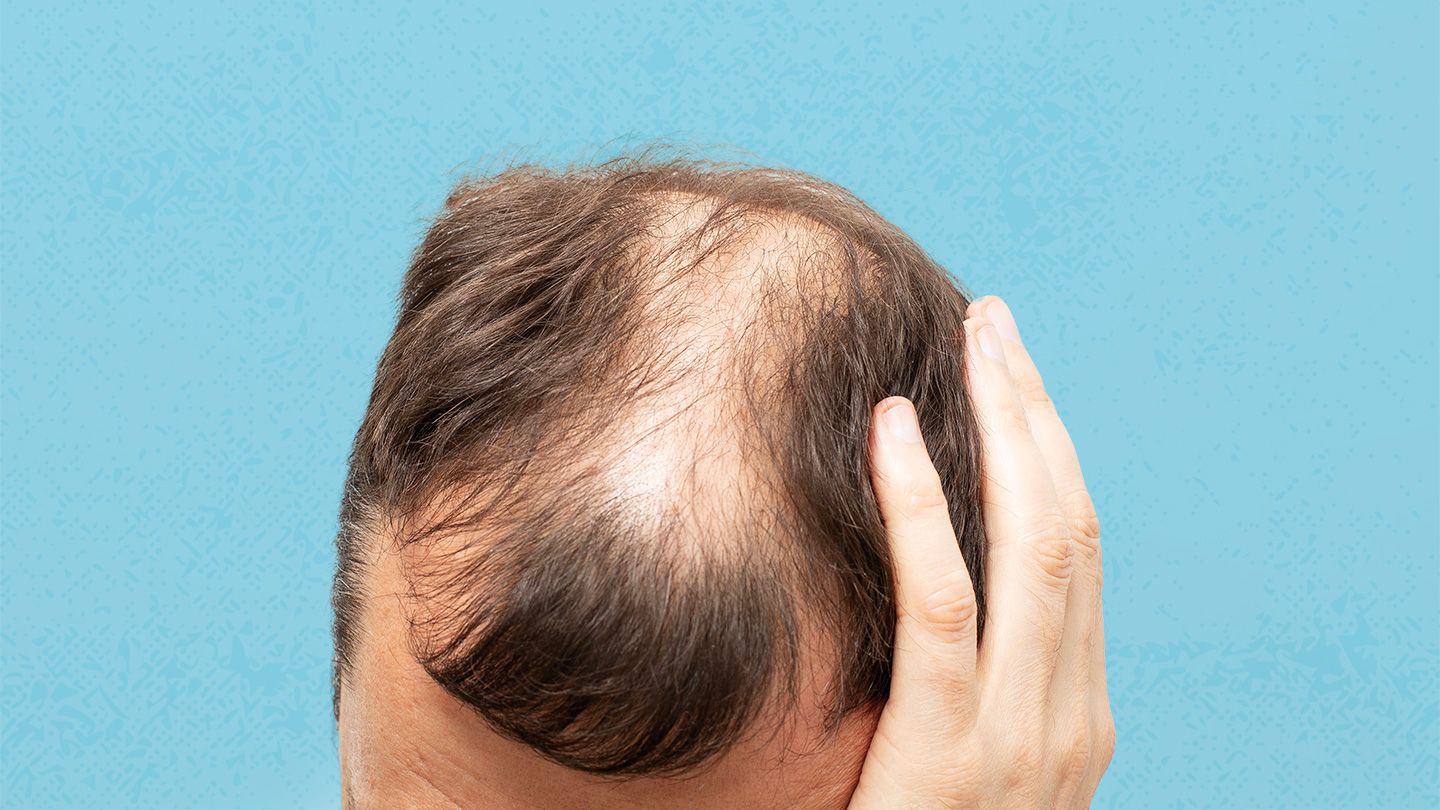
Alopecia is the clinical medical term used to describe any form of hair loss, ranging from localized thinning to complete baldness. It is a widespread condition affecting millions of people globally.
While hair shedding is a natural biological process, excessive hair loss occurs when the normal hair growth cycle is disrupted or when the hair follicle itself is destroyed or permanently damaged. Understanding your specific type of hair loss is the critical first step in selecting an effective, clinically backed balding treatment.
Understanding the Different Types of Alopecia
Not all baldness is the same. Treating hair loss effectively requires a precise diagnosis of the underlying pathology.
-
Androgenetic Alopecia: Commonly referred to as male or female pattern baldness, this is the most prevalent form of hair loss. It is a genetic condition where hair follicles are hypersensitive to an androgen hormone called dihydrotestosterone (DHT). DHT binds to the follicles, causing them to progressively shrink (miniaturize) until they stop producing visible hair.
-
Alopecia Areata: This is an autoimmune condition where the body’s immune system mistakenly attacks healthy hair follicles. It typically presents as sudden, smooth, round patches of hair loss on the scalp, beard, or body.
-
Telogen Effluvium: This is a form of temporary hair loss caused by severe physical or emotional stress, metabolic changes, or major illnesses. It shifts a large percentage of hair follicles prematurely into the resting (telogen) phase, causing widespread shedding a few months after the triggering event.
-
Traction Alopecia: This type of hair loss is mechanical rather than biological. It is caused by chronic, repetitive tension placed on the hair roots from tight hairstyles, such as braids, extensions, or tight ponytails.
Evidence-Based Balding Treatment Options
When exploring a balding treatment, it is vital to focus on clinically validated, FDA-approved interventions. The most effective medical approaches target either the hormonal causes of thinning or stimulate the follicular cellular mechanism directly.
1. Topical Growth Stimulants
-
Minoxidil (5%): Minoxidil is a peripheral vasodilator that increases blood flow and nutrient delivery to the hair follicles. By widening the blood vessels in the scalp, it shortens the resting phase and extends the active growth (anagen) phase of the hair cycle. It is highly effective for maintaining existing density and is available over-the-counter as a liquid or foam.
2. Hormonal DHT Blockers
-
Finasteride: Taken as a daily oral tablet or applied as a compounded topical solution, Finasteride is a 5-alpha reductase inhibitor. It works by blocking the enzyme responsible for converting testosterone into DHT. By lowering scalp DHT levels, it halts the miniaturization of hair follicles and allows them to recover.
3. Advanced Clinical Therapies
-
Platelet-Rich Plasma (PRP) Injections: PRP therapy involves isolating a concentrated sample of platelets from the patient’s own blood and injecting it into the thinning areas of the scalp. These platelets release essential growth factors that stimulate angiogenesis (new blood vessel formation) and jumpstart dormant follicles.
-
Hair Transplantation: For advanced or permanent stages of pattern baldness, surgical restoration is the most definitive solution. Procedures like Follicular Unit Extraction (FUE) involve harvesting individual, DHT-resistant hair follicles from the back of the scalp and transplanting them into bald zones.
Comparing Medical Balding Treatments
| Treatment Modality | Primary Mechanism | Best Suited For | Expected Results Timeline |
| Topical Minoxidil | Vasodilation & localized follicle stimulation | Early to moderate thinning (Men & Women) | 3 to 6 months of daily use |
| Oral/Topical Finasteride | Systemic or targeted DHT hormone reduction | Male pattern baldness / Genetic recession | 4 to 6 months of daily use |
| PRP Therapy | Autologous growth factor delivery | Early-stage thinning & hair preservation | 3 to 4 initial monthly sessions |
| FUE Hair Transplant | Surgical redistribution of healthy follicles | Advanced, stabilized pattern baldness | 6 to 12 months post-surgery |
Clinical Realities and Expectations
Consistency is Mandatory: Non-surgical treatments like Minoxidil and Finasteride must be maintained indefinitely to preserve results. Discontinuing treatment causes a return of baseline DHT levels, and regrown hair will gradually shed.
The Shedding Phase: It is completely normal to experience an temporary increase in hair shedding during the first 2 to 6 weeks of starting a new treatment. This occurs because the follicles are rapidly clearing out old, weak hairs to make room for healthy, thicker strands.
Next Steps
Because successful treatment relies entirely on treating the correct cause, consulting a board-certified dermatologist or trichologist is highly recommended. A specialist can perform a scalp biopsy or blood panel to pinpoint the exact type of alopecia you are experiencing and design a customized medical regimen.