

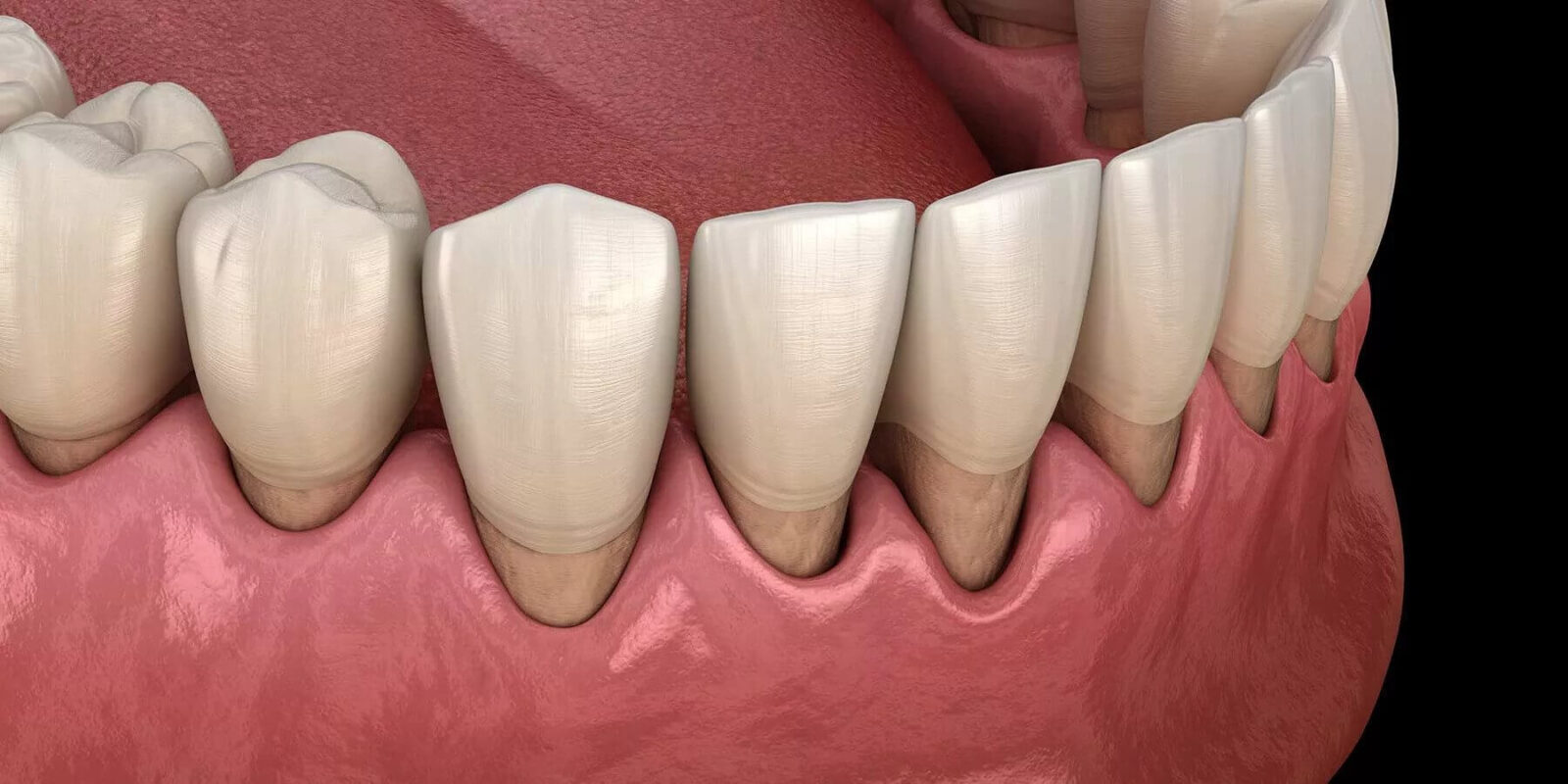
In clinical dentistry, the terms used to describe oral health can often feel like a confusing blur of “medicalese.” Patients frequently hear the terms gum disease and periodontal disease used interchangeably. While they are related, they represent very different stages on a biological spectrum of infection.
Understanding where you sit on this spectrum is the difference between a condition that is entirely reversible with a few habit changes and one that requires lifelong surgical management to prevent tooth loss. This guide breaks down the progression from the first signs of inflammation to the advanced destruction of the tooth’s supporting structures.
Phase 1: Gingivitis (Early Gum Disease)
Gingivitis is the initial, non-destructive stage of gum disease. At this level, the infection is confined strictly to the “gingiva”—the soft pink tissue that surrounds the base of your teeth.
The Clinical Markers
-
Inflammation: The gums appear red, slightly swollen, or “puffy” rather than firm and pale pink.
-
Bleeding: A hallmark of gingivitis is “bleeding on probing” or bleeding during routine brushing and flossing.
-
Halitosis: Early bacterial accumulation begins to produce the volatile sulfur compounds (VSCs) that cause bad breath.
The Biological Mechanism
Gingivitis is caused by the accumulation of dental plaque—a sticky biofilm of bacteria—at the gum line. The body’s immune system detects these bacteria and sends blood and white blood cells to the area to fight the “invaders.” This increased blood flow is what causes the redness and the tendency to bleed.
The “Good News” Factor: Gingivitis is 100% reversible. Because the bacteria have not yet attacked the underlying bone or ligaments, professional cleaning combined with improved home care can restore the gums to a perfectly healthy state.
The Transition: The “Silent” Threshold
If gingivitis is left untreated, the bacterial biofilm matures. The bacteria shift from aerobic (oxygen-loving) types to more aggressive anaerobic (oxygen-hating) species. These bacteria begin to migrate beneath the gum line, protected from the toothbrush. This marks the transition into periodontal disease.
Unlike gingivitis, which is often characterized by visible swelling, the transition to deeper infection can be “silent”—meaning it happens without significant pain, even as the internal structures begin to dissolve.
Phase 2: Periodontitis (Advanced Periodontal Disease)
Once the infection moves past the gingiva and begins to destroy the bone and the periodontal ligament (the fibers that anchor the tooth to the jaw), it is classified as periodontal disease, or periodontitis.
1. Pocket Formation
As bacteria multiply under the gum line, the attachment between the tooth and the gum is broken. This creates “periodontal pockets.” In a healthy mouth, these spaces are 1–3mm deep. In periodontal disease, they can reach 5mm, 7mm, or even 10mm. These pockets are impossible to clean with a toothbrush or floss, creating a permanent reservoir for infection.
2. Bone Loss (Osteoclast Activation)
The body’s immune response to chronic infection eventually becomes “pro-inflammatory.” In an attempt to move away from the bacteria, the alveolar bone begins to resorb or melt away. This is the “point of no return.” While we can stop the progression, bone lost to periodontal disease generally does not grow back naturally.
3. Tooth Mobility and Loss
In the advanced stages of the disease, so much bone has been lost that the teeth lose their stability. They may shift position, create gaps, or become loose (mobile). Without surgical intervention, the teeth will eventually fall out or require extraction.
Strategic Management Across the Spectrum
The treatment strategy changes drastically depending on where the infection sits on the spectrum.
Managing Early Gum Disease
For gingivitis, the goal is resolution.
-
Professional Prophylaxis: A standard dental cleaning to remove plaque and tartar.
-
Daily Mechanical Disruption: Brushing and flossing to prevent plaque from re-forming.
-
Antimicrobial Mouthwash: Using a therapeutic mouthwash is highly effective here. It kills the “planktonic” (free-floating) bacteria before they can settle into the gum line, effectively “starving” the gingivitis of the microbes it needs to progress.
Managing Advanced Periodontal Disease
For periodontitis, the goal shifts to maintenance and arrest.
-
Scaling and Root Planing (SRP): A deep cleaning that goes far below the gum line to smooth the roots and remove embedded toxins.
-
Surgical Intervention: In advanced cases, “flap surgery” or bone grafts may be necessary to reduce pocket depths or replace lost tissue.
-
Chemical Debridement: Because periodontal pockets are deep, a liquid mouthwash becomes an even more critical adjunct. A rinse can reach areas that a brush cannot, helping to keep the bacterial load in the deep pockets at a level the body can manage.
The Oral-Systemic Connection
It is important to recognize that periodontal disease is not just a “mouth problem.” Because the gums are highly vascular, the bacteria from periodontal pockets can enter the bloodstream. Chronic gum disease has been linked to:
-
Cardiovascular Disease: Bacteria can contribute to the formation of arterial plaques.
-
Diabetes: Periodontal inflammation can make it harder for the body to regulate blood sugar, creating a dangerous two-way relationship between the two diseases.
-
Respiratory Issues: Bacteria from the mouth can be inhaled into the lungs, potentially causing infections.
Conclusion: Vigilance is the Best Medicine
The spectrum of oral infection is a journey that no one wants to complete. By identifying the early symptoms of gum disease—such as minor bleeding or redness—and responding with professional care and a robust home routine involving a therapeutic mouthwash, you can stay on the “reversible” side of the line.
If you have already progressed to periodontal disease, do not lose hope. With modern periodontics and a commitment to meticulous daily hygiene, the disease can be arrested, and your natural teeth can be preserved for a lifetime. The key is to stop viewing “bleeding gums” as a normal occurrence and start seeing them as the first warning sign of a spectrum that ends in tooth loss.