

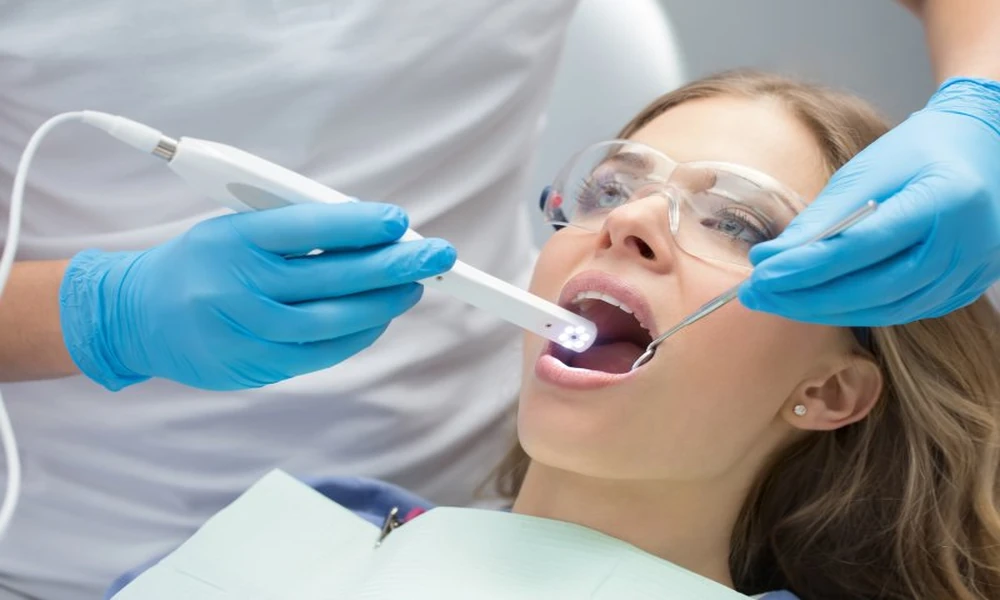
You might not notice a cavity when it first begins. There is no sharp pain, no clear crack, and nothing that tells you to stop and call a dentist right away. Then, all at once, a small weak spot turns into a filling, a crown, or a deeper repair you did not see coming. That shift can feel frustrating, especially when you try to stay on top of your dental care and remember to schedule a dental appointment in Sunnyvale.
That is why early detection matters so much. When a general dentist finds decay at the start, treatment is often simpler, less invasive, and less costly. The good news is that modern dental visits are not limited to a quick visual check. Many dentists now use smarter tools and better imaging to spot tiny changes before they grow into bigger problems. In simple terms, the 5 innovative ways general dentists detect cavities early include careful visual exams, digital X rays, laser fluorescence tools, near infrared imaging, and risk based monitoring.
Why can early cavity detection feel so important, yet so easy to miss?
Tooth decay often starts quietly. According to an overview from the National Center for Biotechnology Information on dental caries, cavities begin when bacteria in dental plaque produce acids that weaken tooth enamel over time. At first, that damage may only appear as a faint white spot or a change beneath the surface. You may feel nothing at all.
Because of this, many people assume no pain means no problem. But what if the decay is forming between teeth, under grooves, or around an older filling? By the time you can feel it, the damage may already be deeper. That can mean more treatment, more time in the chair, and more expense than you expected.
So, where does that leave you? It means routine visits with a dentist are not just about cleaning your teeth. They are also about finding trouble while there is still time to protect more of your natural tooth.
What are the 5 innovative ways a cavity screening dentist can catch decay early?
1. Careful visual and tactile exams
It sounds simple, but a trained visual exam is still one of the first and most useful steps. Dentists look for color changes, soft spots, plaque buildup, and early enamel changes that may point to decay. They also check places where food and bacteria tend to hide, such as deep grooves and the tight spaces near the gumline.
2. Digital X rays
Digital radiographs help reveal cavities that the eye cannot see, especially between teeth or under existing dental work. They also use less radiation than older film systems and produce images quickly. For many patients, this is the moment when a hidden problem becomes clear before it turns painful.
3. Laser fluorescence devices
Some dentists use laser based tools that measure changes in tooth structure. These devices can help identify early decay in pits and fissures, where a toothbrush may not fully reach. Research published on PubMed about laser fluorescence for caries detection supports the value of these tools as part of early diagnosis, especially when used alongside a clinical exam rather than in isolation.
4. Near infrared imaging
This newer technology can help dentists spot early enamel and dentin changes without relying only on traditional X rays. It is useful for finding lesions in areas that are easy to miss during a standard exam. Findings discussed in recent PubMed research on imaging methods for caries detection point to the growing role of advanced imaging in identifying decay sooner and with greater clarity.
5. Risk based monitoring
Not every mouth has the same risk. A dentist may look at dry mouth, diet, past cavity history, gum recession, orthodontic appliances, and oral hygiene habits to judge how likely you are to develop decay. This approach helps shape how often you need imaging, fluoride, sealants, or follow up visits. In other words, early cavity detection is not only about machines. It is also about understanding your pattern of risk.
How do these methods compare when you want to prevent bigger dental work?
When people hear about newer tools, they sometimes wonder whether they replace traditional care. Usually, they do not. The strongest approach often combines a visual exam with imaging and an individual risk review. That gives your dentist a fuller picture of what is happening now and what could happen next.
| Detection Method | What It Helps Find | Best Use | Main Benefit |
|---|---|---|---|
| Visual exam | Surface changes, plaque areas, visible weak spots | Every routine visit | Fast first line screening |
| Digital X rays | Decay between teeth, under fillings, deeper lesions | Hidden or suspected cavities | Shows what eyes cannot see |
| Laser fluorescence | Early decay in grooves and pits | Questionable chewing surfaces | Can flag early enamel changes |
| Near infrared imaging | Subsurface enamel and dentin changes | Early stage detection | Adds detail without relying only on standard imaging |
| Risk based monitoring | Future cavity patterns and repeat risk | Prevention planning | More personalized care |
If you have ever been told, “We will watch this area,” that can be a thoughtful decision, not a delay. In some cases, an early spot can be managed with fluoride, diet changes, and close follow up instead of immediate drilling. That is one reason modern cavity detection matters so much.
What can you do right now if you want a dentist to find tooth decay sooner?
Ask what screening tools are used during routine visits.
If you are scheduling an exam, ask whether the office uses digital X rays, laser tools, or other imaging to support early diagnosis. A good question can open the door to better prevention.
Pay attention to small changes, even if they do not hurt.
Sensitivity to sweets, food catching in one area, rough spots, or staining in grooves can all be worth mentioning. Pain is not the only sign that something is starting.
Follow a prevention plan built for your risk.
If you get cavities often, have dry mouth, or wear braces, a more tailored schedule may help. That could include fluoride treatments, more frequent cleanings, or sealants. A dentist who provides cavity detection and prevention support can help you avoid more complex treatment later.
What should you take away from all of this?
Early cavity detection can change the whole course of your dental care. Instead of waiting for pain, you can catch problems when they are smaller and easier to manage. That often means less drilling, less stress, and a better chance of keeping more of your natural tooth structure intact.
If you have been putting off a visit because nothing feels urgent, this may be the right time to rethink that. A routine appointment with a general dentist can do more than clean your teeth. It can uncover the quiet signs of decay before they become hard to ignore.