

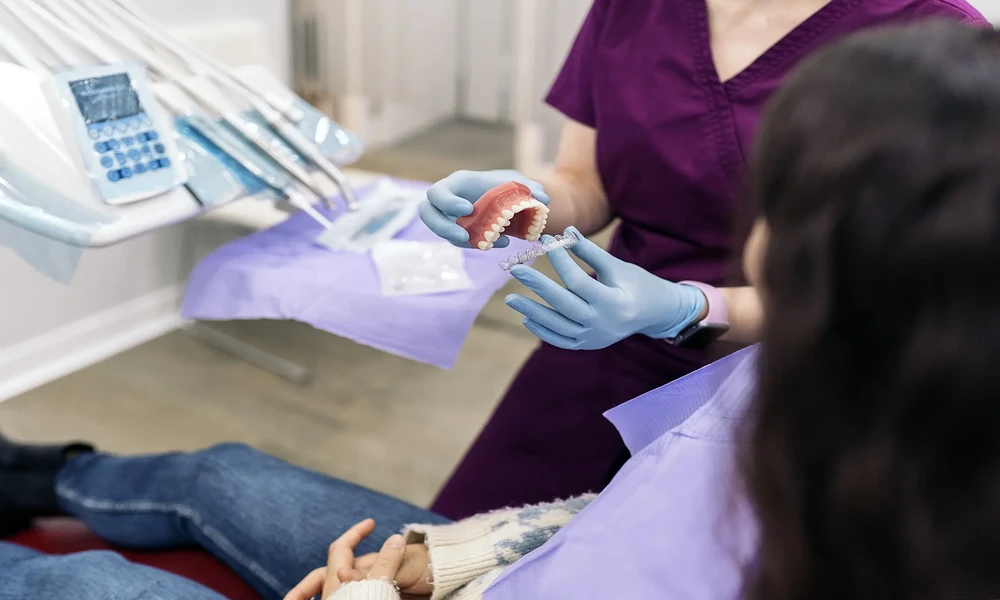
You might be putting off a dental visit because life is busy, money feels tight, or past experiences left you uneasy. That is more common than people admit. For many people, dental care brings a mix of worry and hope, especially when searching for a dentist in Dawson Creek. BC. You want relief, answers, and a plan that fits your life, not a one size fits all routine. That is really the heart of How General Dentistry Provides Personalized Treatment For Every Patient. Good care starts with listening, then moves into prevention, comfort, and treatment choices shaped around your health, habits, and goals.
When care feels personal, everything changes. A general dentist does more than clean teeth or fill cavities. You are looked at as a whole person, with your own medical history, pain level, schedule, budget, and concerns. That means your treatment may be different from someone else’s, even if the problem sounds similar at first. So, what does that look like in real life?
Why does personalized dental care matter so much?
It matters because no two mouths are the same, and no two patients live the same way. One person may grind their teeth from stress, while another may deal with dry mouth from medication. Someone else may have healthy teeth but sensitive gums, or fear dental visits because of a bad experience years ago. If treatment ignores those details, it can miss the real problem.
This is where personalized dental treatment makes a difference. A general dentist usually starts with an exam, X rays when needed, and a conversation about symptoms, habits, and health history. If you mention jaw pain, bleeding gums, pregnancy, diabetes, or trouble brushing because of arthritis, that information can shape your care plan. The goal is not just to fix today’s issue. It is to lower the chance of bigger problems later.
That approach also supports prevention. According to the CDC’s overview of oral health, oral health is linked to overall health and quality of life. Because of that connection, a dentist may recommend more frequent cleanings, fluoride, night guards, or home care changes based on your risks, not just a standard calendar.
What kinds of factors shape your general dentist treatment plan?
A personalized plan often comes down to a few key areas. First is your current oral health. Cavities, gum inflammation, worn enamel, missing teeth, and bite issues all call for different steps. Second is your medical history. Conditions like heart disease, diabetes, and autoimmune disorders can affect healing and gum health. Third is your daily routine. If you work long shifts, care for children, or travel often, the best plan may be the one you can realistically follow.
Then there is comfort. Some people need extra time during appointments. Others do better when they understand each step before treatment begins. A thoughtful general dentist adjusts care in ways that help you feel safe and informed, which often makes it easier to keep up with visits and home care.
Even home habits play a role. The National Institute of Dental and Craniofacial Research oral hygiene guidance explains that brushing, flossing, and routine care are the foundation of oral health. Still, the right tools and timing can vary. A person with braces, implants, gum recession, or sensitive teeth may need a different routine than someone without those concerns.
How does tailored care compare with a one size fits all approach?
If you have ever received advice that sounded too generic, you know how frustrating it can be. Personalized care does not mean complicated care. It means matching treatment to your needs so it has a better chance of working. Here is a simple comparison.
| Approach | One Size Fits All Care | Personalized General Dentistry |
|---|---|---|
| Exam focus | Basic review with limited discussion | Looks at symptoms, history, risk factors, and goals |
| Prevention plan | Same advice for most patients | Adjusted for age, habits, health conditions, and risk |
| Treatment timing | May follow a fixed routine | Prioritizes urgent issues and what fits your schedule |
| Home care guidance | General brushing and flossing tips | Specific tools and methods for your mouth |
| Patient comfort | Less attention to anxiety or past experiences | Communication and pacing based on your comfort level |
That difference can affect both your experience and your results. The CDC’s oral health tips for adults also stress the value of regular checkups, daily cleaning, and risk based prevention. In other words, the basics matter, but they work best when they are shaped around you.
What can you do right now to get more personalized dental care?
1. Share the full picture.
At your next visit, talk about more than tooth pain. Mention medications, health changes, pregnancy, grinding, dry mouth, bleeding gums, and dental anxiety. If something makes it hard to brush or floss, say that too. Those details help shape better care.
2. Ask what is driving the problem.
If you are told you need treatment, ask why it is happening and what your options are. For example, if you keep getting cavities, is it diet, dry mouth, brushing technique, old fillings, or something else? When you understand the cause, you can make smarter choices and avoid repeat problems.
3. Build a home routine you will actually follow.
The best routine is the one that fits your life. If late nights make flossing hard, try setting up a simpler evening routine and doing a more detailed cleaning at another time. If sensitivity keeps you from brushing well, ask about gentler products. Small changes are easier to keep, and consistency matters more than perfection.
So, where does that leave you?
If dental care has felt impersonal, rushed, or hard to manage, you are not asking for too much by wanting something better. You deserve care that fits your health, your concerns, and your daily life. That is what patient centered dentistry is meant to do. With the right support, a dental visit can shift from something you dread to something that helps you feel more in control.
Whether you need preventive care, a clear plan for treatment, or simply someone who will listen before making recommendations, a general dentist can help you move forward with more confidence. Take the next step and schedule a visit to talk through your needs, your goals, and the care plan that makes sense for you.