

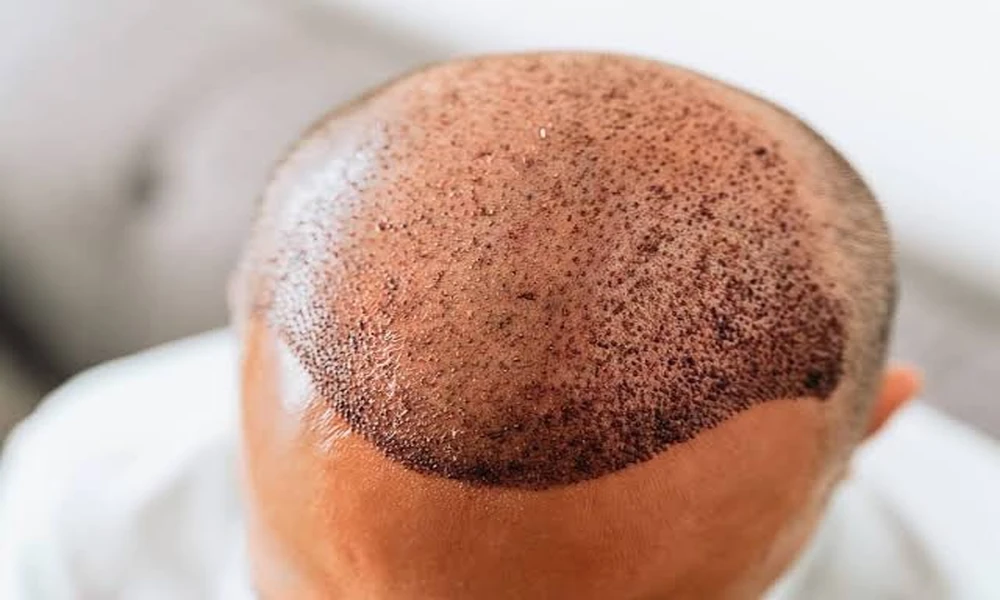
One of the initial and most visible indications of hair loss may be a receding hairline. Initially, a small bald area will form next to each temple, but then it slowly progresses to a high forehead, significant frontal recession or widespread baldness. This change in many people is not only about their looks, but about their self-confidence, their self-image and how they dress their hair, or pose for photos.
The bright side is, with contemporary hair restoration, it is feasible to resolve even the most severe forms of hairline recession. With proper planning, a hair transplant in Delhi today can help you achieve a naturalized hairline and balance your face even if you have considerable baldness.
However, how does a hair transplant do this? So what makes a difference to whether someone with a high degree of baldness can get a favourable result? Let’s explore.
Why the Hairline Matters So Much
One of the most noticeable facial features is the hairline. It shapes your forehead, levels the faces and has a major impact on the youthful look of your face. If hairline has receded, there are several changes that may take place:
- The fore head looks bigger
- The face proportions might appear to be distorted
- The face can appear older
There are less hairstyle choices to choose from
This is why they may be worried about balding well before the hair recedes on other areas of the scalp.
Even if just a section of the scalp is treated, the hairline is often restored, resulting in a dramatic improvement in appearance.
Understanding High Baldness
Baldness is usually considered to be high when there has been an overall progressive loss of the frontal hairline and adjacent areas. Common signs include:
- Deep temple recession
- Enlarged forehead appearance
- Any kind of extreme front hair loss.
For some people, the balding process can be gradual and go backward through the years, expanding the balding area and necessitating cautious preparation. The good news is that today’s hair transplant surgery can greatly help you overcome these issues.
How Hair Transplantation Restores the Hairline
Hair transplantation uses healthy hair follicles from areas not affected by hair loss and moves them to areas where there is less or no hair. Usually, the donor follicles are obtained from the back and sides of the scalp. These follicles carry the pattern baldness genes. When planted in the front they grow naturally in their new habitat. This is the basis of all the successful hair transplants in Delhi.
The goal is not just more hair. People often think of filling in gaps when it comes to a hairline restoration. But in practice, creating a successful hairline restoration is much more. The aim is to produce:
- Natural facial framing
- Balanced proportions
- Appropriate density
- Age-appropriate aesthetics
- Long-term natural appearance
The finest hairlines are not copied, but rather deliberately created.
Why Hairline Design Is Critical
If you’re looking for the most artistic part of hair restoration then it’s the hairline. If all of the hair follicles survive but the hairline is poorly designed, the results can be quite unappealing. An expert specialist thinks:
Facial Structure
The hairline should complement the patient’s facial features.
Age
Sometimes, it’s preferable to have a natural-looking hairline, which tends to look more mature and appealing than an overly low one.
Existing Hair Pattern
The transplanted hair needs to be fused with the remaining hair.
Future Hair Loss
Surrounding thinning hair must continue to be in harmony with the design. This customization gives modern results a much more natural look, compared to those of decades past.
Can Hair Transplants Help People With Advanced Baldness?
A widespread misconception is that individuals with severe hair loss cannot be treated.
Although more advanced hair loss has its challenges, lots of patients with severe balding are able to see important outcomes. The following are key factors:
- Donor hair availability
- Hair characteristics
- Bald area size
- Long-term restoration goals
A detailed assessment will be used to gauge what is achievable in terms of restoration.
Role of the Donor Area
The donor area is referred to as the backbone of a hair transplant. This is the only source from which every graft for a hairline is drawn. Donor Management is even more critical in the case of patients who have high baldness. The specialist has to take care of the following balance:
- Hairline restoration
- Density creation
- Donor preservation
- Future treatment flexibility
A well managed donor area will not only have the potential to be improved now, but future options should exist should the restoration need to be increased.
Why Natural Density Matters More Than Maximum Density?
Patients tend to get caught up on getting as dense as possible. But there are more important considerations than numbers for the experienced specialists. They can be used strategically and not have to be packed in every square centimeter to look full. The goal is to:
- Make the face look good in the frame.
- Create natural coverage
- Enhance appearance
- Preserve donor resources
This well-rounded method can yield the best results.
What Results Can Patients Expect?
While dramatic results are possible with a hair transplant, it’s important to have realistic expectations. The ideal post-hairline rejuvenation should result in:
It does not have to be a replica of the teens’ hairline, but it should be natural and proper.
Final Thoughts
For anyone who suffers from high baldness, a Delhi hair transplant can be very effective in restoring their hairline. Modern hair restoration techniques can significantly enhance facial balance, appearance and confidence with healthy donor follicles and carefully planned natural hairline. Though the Hair transplant cost in Delhi is important, it is what it will look like for years to come that truly matters.
By utilizing the correct donor management, setting reasonable expectations, and expert planning, even those with a high level of hairline recession can go from concern about baldness to fuller, more confident hair. In many cases, hair restoration is not just about hair; it’s about regaining the confidence that stems from feeling like oneself once more.