

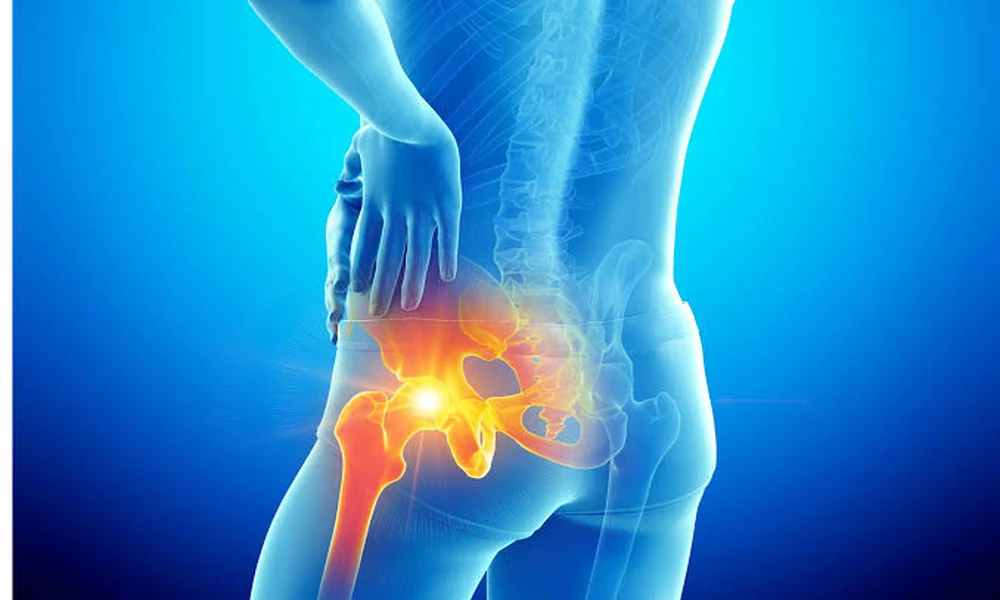
Hip pain often becomes noticeable during ordinary tasks: getting out of a car, climbing stairs, or putting on socks. For people who enjoy walking and other activities around Collingwood, even a modest change in comfort can disrupt a familiar routine. The right next step depends on understanding the problem rather than treating every sore hip in the same way.
Pay attention to location and timing
Describe exactly where you feel discomfort. Pain around the groin, outer hip, or buttock can have different explanations. Possible causes include joint problems, irritated tendons, or an injury, and pain near the hip can sometimes come from elsewhere.
Notice whether symptoms appear during activity, after it, or when lying on one side. Mention any recent increase in exercise, fall, or previous surgery. These details help guide assessment, but they cannot reliably identify the cause on their own.
If pain keeps returning, disrupts sleep, or limits normal activities, arrange a medical assessment. It is easier to compare treatment options once you have a clearer understanding of what needs attention.
Adjust activities without abandoning your goals
Temporarily changing an activity can help you maintain a routine while seeking advice. You might discuss shorter walks, fewer hills, or a different exercise option with a clinician. The aim is to find a suitable starting point and an appropriate way to build back up.
Consider a specific goal, such as walking to a nearby shop or managing stairs at home. That goal gives your care team a practical reference when deciding whether a plan is working. Keep track of what you can do comfortably and what remains difficult.
Compare care options thoughtfully
Someone looking for hip pain relief in Collingwood should ask how the proposed treatment relates to the assessed cause. Osteopathic manual care may include gentle joint or soft tissue techniques, but a sore hip does not automatically mean your pelvis needs correcting.
Exercise and rehabilitation may be important parts of care. For hip osteoarthritis specifically, NICE guidance recommends therapeutic exercise and considers manual therapy only alongside it. That recommendation should not be stretched into a claim that hands-on care can reverse arthritis or repair cartilage.
Ask about the expected benefit, alternatives, and when progress will be reviewed. If you need a strengthening programme, find out who will design it and adjust it as your tolerance changes. The exercises and pace should suit your situation.
Know when a hip needs urgent assessment
Severe hip pain after a fall, or being unable to walk or bear weight, needs emergency assessment. A hot or swollen hip with fever requires urgent medical attention. These problems should not be treated as ordinary stiffness or managed by booking a routine hands-on appointment.
For less urgent concerns, agree on what improvement should look like before beginning a trial of care. It might mean easier stairs, better sleep, or a longer comfortable walk.
If those measures are not improving, ask for a review rather than repeating the same approach indefinitely. A useful care plan changes with your progress and keeps your everyday goals in view.