

INTRODUCTION
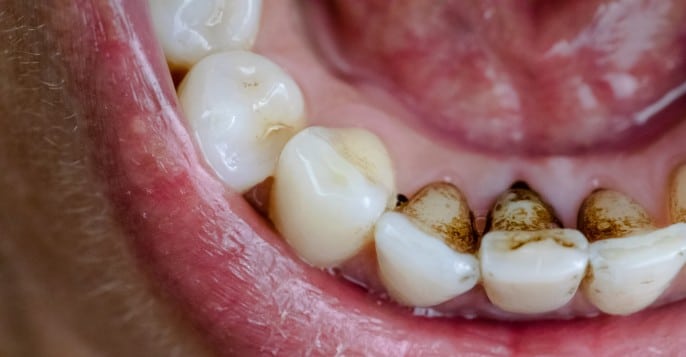
Have you ever looked at your teeth and wondered why they seem stained or discoloured? You’re not alone. Teeth stains can slowly build up over time, often going unnoticed until you’re preparing for an important event or taking a close look in the mirror. If you’re concerned, searching for a dentist near me can help you identify the cause and find the right treatment. Here are the top 10 reasons why teeth become stained and what you can do to prevent or treat them.
1.1 FOODS THAT STAIN TEETH
Certain foods like berries, tomatoes, and colourful sauces can stain your teeth over time. Even sweets like candies, popsicles, and chewing gum can leave behind stains—especially those with artificial coloring and sugar. A diet full of sugary and starchy foods can also feed bacteria that damage tooth enamel and cause discoloration.
1.2 DRINKS THAT LEAVE STAIN
Coffee, black tea, red wine, and dark sodas can leave noticeable stains if you drink them often. Sports drinks and sodas, which are high in sugar and acids, can also weaken enamel and make your teeth more likely to stain.
1.3 SMOKING AND TOBACO USE
Tobacco products like cigarettes, cigars, chewing tobacco, and pipe smoke are well-known for staining teeth. Over time, they can turn your teeth brown or even dark yellow.
1.4 MEDICATIONS
Some medicines can discolour teeth. For example, antibiotics like tetracycline and doxycycline can stain children’s teeth if taken before the age of 8. Other medications, including antihistamines, blood pressure drugs, and antipsychotic medications, may also cause stains in adults.
1.5 ILLNESS AND MEDICAL TREATMENTS
Certain illnesses and their treatments can also cause discoloration. Teeth may appear brownish as a result of cancer treatment with chemotherapy and radiation. Some diseases that affect the enamel can also result in staining and other oral problems.
1.6 TOOTH INJURY OR TRAUMA
A fall or blow to the mouth can damage a tooth and cause it to turn grey, black, or brown. This is common in children and adults. If you notice a colour change after an accident, visit your dentist right away.
1.7 GENETICS
Some people are born with teeth that are naturally more yellow or stain more easily. If staining runs in your family, you might want to use whitening toothpaste or other treatments recommended by your dentist.
1.8 AGING
Your teeth’s enamel deteriorates with age. This makes the yellow dentin layer underneath more visible, causing your teeth to look darker or more yellow over time.
1.9 TOO MUCH FLUORIDE
Getting too much fluoride as a child can lead to fluorosis, a condition that causes white or brown spots on the teeth. This often happens from drinking too much fluoridated water or using too many fluoride products.
1.10 POOR ORAL HYGIENE
Not brushing and flossing regularly can lead to plaque and tartar buildup, which can cause staining and tooth decay.
HOW TO PREVENT STAINED TEETH
Avoid or limit stain-causing foods and drinks. To lessen contact with your teeth, try using a straw. Quit tobacco and visit your dentist twice a year for cleanings. At home, brush, floss, and use an anti-tartar mouthwash to help keep your teeth clean and white.