

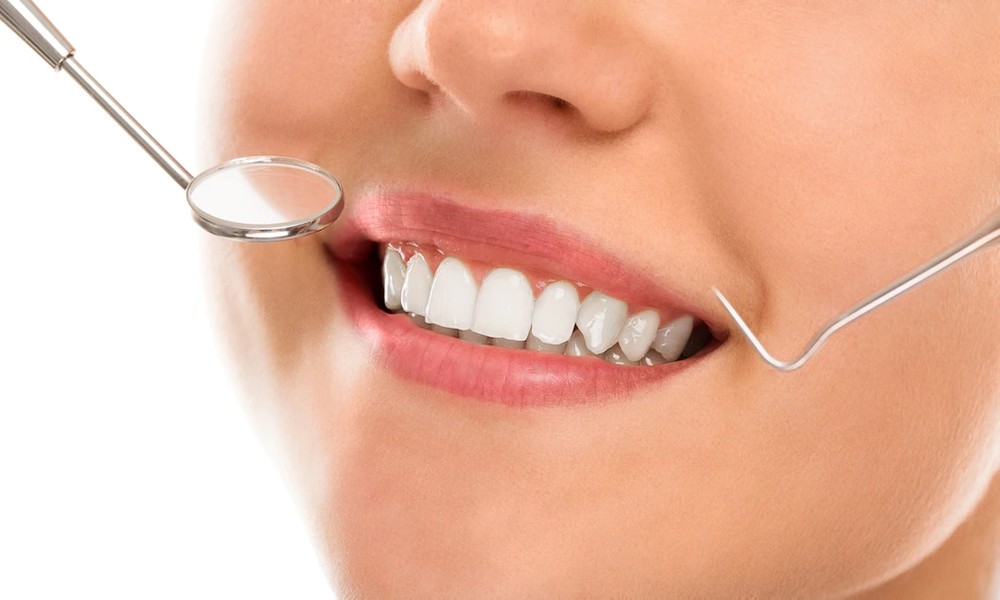
A confident smile can leave a lasting impression, which is why cosmetic dentistry has become increasingly popular in recent years. From whitening treatments to veneers and orthodontics, there are many ways to improve the appearance of your teeth. Among these options, Composite Bonding has gained attention as a quick, affordable, and minimally invasive cosmetic solution.
However, many patients often wonder how Composite Bonding compares to other cosmetic dental techniques and which option is best for their specific needs. Understanding the differences between these treatments can help you make a more informed decision about your smile transformation.
What Is Composite Bonding?
Composite Bonding is a cosmetic dental procedure where a tooth-coloured resin material is applied, shaped, and polished to improve the appearance of teeth. Dentists use bonding to repair chips, close gaps, reshape teeth, and cover minor discolouration.
One of the biggest advantages of bonding is that it usually requires little to no removal of natural tooth enamel, making it a conservative cosmetic treatment.
Common Issues Treated with Composite Bonding:
- Chipped teeth
- Small gaps between teeth
- Minor cracks
- Uneven tooth edges
- Mild discolouration
- Slightly misshapen teeth
The procedure is typically completed in a single dental visit, making it a convenient option for many patients.
Composite Bonding vs Porcelain Veneers
One of the most common comparisons in cosmetic dentistry is between Composite Bonding and porcelain veneers. While both treatments enhance the appearance of teeth, they differ in material, durability, cost, and procedure.
Appearance
Porcelain veneers are custom-made ceramic shells that are bonded to the front of teeth. They generally provide a more polished and stain-resistant finish compared to bonding.
On the other hand, Composite Bonding can still achieve very natural-looking results, especially for small cosmetic corrections.
Durability
Porcelain veneers are usually more durable and can last 10-15 years or longer with proper care. Composite bonding typically lasts around 5-7 years before requiring touch-ups or repairs.
Cost
One major advantage of Composite Bonding is affordability. Bonding is significantly less expensive than porcelain veneers, making it a budget-friendly cosmetic option.
Tooth Preparation
Veneers often require the removal of a thin layer of enamel, while bonding usually preserves more natural tooth structure.
Best For
- Bonding: Minor cosmetic corrections
- Veneers: Full smile makeovers and long-term aesthetics
Composite Bonding vs Teeth Whitening
Teeth whitening and Composite Bonding are both popular cosmetic procedures, but they address different dental concerns.
Teeth Whitening
Professional whitening treatments focus only on removing stains and brightening natural teeth. They work well for surface stains caused by coffee, tea, smoking, or aging.
Composite Bonding
Bonding not only improves tooth colour but also repairs shape, chips, cracks, and gaps.
Which Is Better?
If your primary concern is yellow or stained teeth, whitening may be sufficient. However, if you also have structural imperfections, Composite Bonding may provide a more comprehensive cosmetic improvement.
Composite Bonding vs Dental Crowns
Dental crowns are designed to restore damaged or weakened teeth, while Composite Bonding is mainly cosmetic.
Crowns
A crown completely covers the tooth and is often recommended for severely damaged, decayed, or root canal-treated teeth.
Bonding
Bonding is ideal for smaller cosmetic imperfections where the natural tooth remains healthy and structurally sound.
Main Difference
Crowns offer greater strength and protection, but they require significant reshaping of the tooth. Composite Bonding is less invasive and preserves more natural enamel.
Composite Bonding vs Orthodontic Treatments
Braces and clear aligners physically move teeth into proper alignment, while Composite Bonding only improves their appearance.
Orthodontics
Orthodontic treatments are best for moderate to severe alignment problems, bite issues, or crowding.
Composite Bonding
Bonding can create the illusion of straighter teeth by reshaping uneven edges or closing small gaps.
Which Option Is Right?
For mild cosmetic alignment concerns, Composite Bonding may provide quicker results. However, severe crookedness or bite problems usually require orthodontic treatment.
Advantages of Composite Bonding
Many patients choose Composite Bonding because it offers several important benefits.
Quick Procedure
Most bonding treatments can be completed in just one appointment.
Minimally Invasive
Very little tooth preparation is needed, helping preserve natural enamel.
Cost-Effective
Bonding is one of the most affordable cosmetic dental treatments available.
Natural Appearance
Modern composite materials can closely match the colour and texture of natural teeth.
Easy Repairs
If bonding chips or wears down, it can often be repaired easily without replacing the entire restoration.
Limitations of Composite Bonding
Although Composite Bonding offers many benefits, it also has some limitations compared to other cosmetic treatments.
Less Durable
Bonding materials are not as strong as porcelain and may chip or stain over time.
Maintenance
Patients may need periodic polishing or touch-ups to maintain appearance.
Staining
Composite resin can absorb stains from coffee, tea, wine, and smoking more easily than porcelain veneers.
Despite these limitations, bonding remains an excellent choice for many cosmetic dental concerns.
How to Choose the Right Cosmetic Solution
Choosing between Composite Bonding and other cosmetic techniques depends on several factors, including:
Your Cosmetic Goals
Are you looking for minor improvements or a complete smile makeover?
Budget
Bonding is generally more affordable than veneers or orthodontic treatments.
Durability Expectations
If you want longer-lasting results, porcelain veneers or crowns may be better options.
Oral Health
Healthy teeth and gums are essential before undergoing cosmetic procedures.
Treatment Time
Bonding provides immediate results, while orthodontics may take months or years.
A consultation with a cosmetic dentist can help determine the most suitable treatment based on your needs and smile goals.
Final Thoughts
When comparing cosmetic dental treatments, Composite Bonding stands out as a fast, affordable, and minimally invasive solution for improving minor imperfections. It can effectively repair chips, close small gaps, reshape teeth, and enhance overall smile aesthetics.
While veneers, crowns, whitening, and orthodontics each have their own advantages, bonding remains an excellent choice for patients seeking quick and natural-looking results without extensive dental work.
Ultimately, the best cosmetic solution depends on your individual dental condition, budget, and long-term expectations. Consulting with an experienced cosmetic dentist will help you choose the right treatment for achieving a healthier and more confident smile.