

Missing teeth can affect more than the appearance of a smile. They may make eating less comfortable, affect speech, or cause people to feel less confident in social situations. Dental implants are one option for replacing missing teeth, but they are not a one-size-fits-all treatment.
An implant consultation allows a dentist to assess your mouth, discuss alternatives, and explain whether treatment is likely to be suitable for you.
What Are Dental Implants?
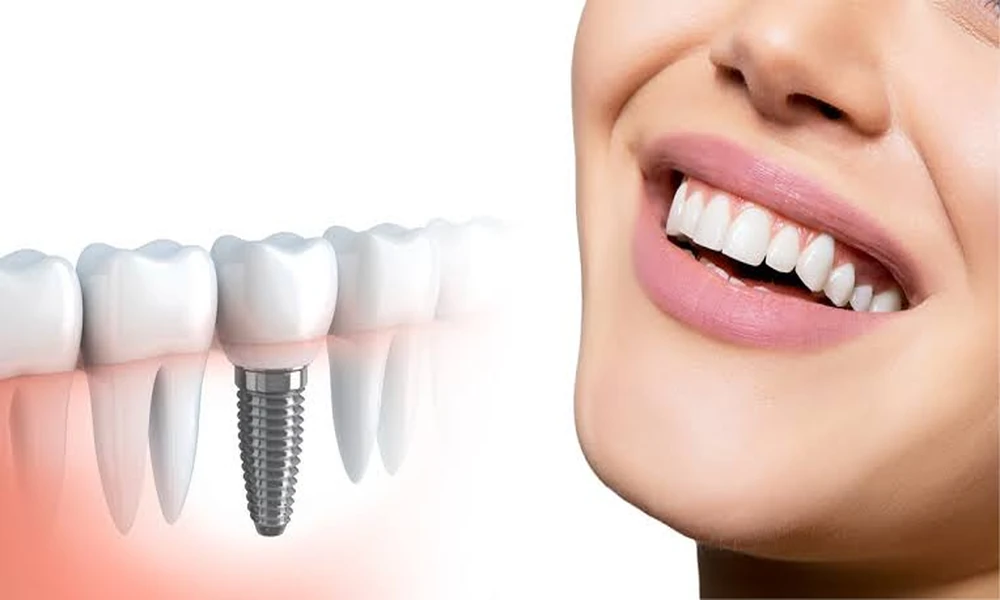
A dental implant is an artificial tooth root placed into the jawbone. Once it has healed, it can support a crown for one missing tooth, a bridge for several missing teeth, or help stabilise a denture. Implants can be a long-lasting option when they are cared for properly, but they require ongoing maintenance and regular dental reviews. Guy’s and St Thomas’ NHS Foundation Trust
For patients considering Dental implants in Derby, a full consultation is the right first step. The dentist can review your oral health, medical history, bone levels, and treatment goals before recommending an individual plan.
Who May Be Suitable for Treatment?
Suitability depends on several factors. Good oral hygiene and healthy gums are important because implants need stable, healthy tissue around them.
Your dentist may also consider:
- The number and position of missing teeth
- The amount and quality of jawbone available
- Gum health and history of gum disease
- Smoking status
- Medical conditions and current medications
- Whether you grind or clench your teeth
- Your ability to attend follow-up appointments and maintain home care
Some patients may need treatment for gum disease before an implant can be considered. Others may require a bone graft to provide enough support, although not everyone needs one.
Understanding the Treatment Stages
Implant treatment usually takes place over several stages rather than in one appointment.
Assessment and Planning
The dentist will examine your teeth and gums and may take X-rays or scans. These help assess the jawbone and identify the best position for the implant.
This stage is also the time to discuss your goals, concerns, costs, and alternatives. You should understand what treatment involves before deciding whether to proceed.
Implant Placement
The implant is placed into the jawbone during a dental procedure. Healing time is needed for the implant to integrate with the bone.
The length of treatment varies between patients. Some cases are completed more quickly, while others take several months and may involve additional visits or preparatory treatment. Hospital guidance notes that implant treatment can take six to 12 months in some cases, particularly when several stages are needed. Guy’s and St Thomas’ NHS Foundation Trust
Final Restoration
Once the implant has healed sufficiently, the final crown, bridge, or denture can be fitted. This restoration is designed to look and function like a natural tooth, but it still needs careful cleaning and professional checks.
Benefits and Limitations
Dental implants can offer a fixed solution for some missing teeth and may help avoid placing crowns on neighbouring healthy teeth. They can also improve the stability of certain dentures.
However, an implant is a surgical treatment and carries risks. In some cases, the implant may not integrate with the bone, and components can loosen or wear over time. Smoking can increase the risk of complications, so dentists may advise patients to stop smoking before and after treatment. Guy’s and St Thomas’ NHS Foundation Trust
A good consultation should include an honest discussion of both benefits and limitations, as well as other options such as bridges, dentures, or leaving the gap untreated.
Caring for Dental Implants
Implants cannot develop tooth decay, but the surrounding gums and bone can still become inflamed if plaque builds up. Daily care is essential.
Brush twice a day with fluoride toothpaste and clean between your teeth using the method recommended by your dental team. Depending on the restoration, this may include interdental brushes, floss, or specialised cleaning aids.
Regular dental and hygienist appointments are also important. Your dental team can check the implant, restoration, bite, and gum health, helping to identify concerns early.
Questions to Ask at Your Consultation
A consultation is your opportunity to make an informed decision. Consider asking:
- Am I suitable for an implant, and why?
- Are there alternative options for replacing my missing tooth?
- Will I need a bone graft or other preparatory treatment?
- How long is the expected treatment process?
- What are the potential risks in my case?
- How should I clean and maintain the implant?
- What costs are included in the treatment plan?
Frequently Asked Questions
Are dental implants suitable for everyone?
No. Suitability depends on factors such as gum health, jawbone support, medical history, smoking status, and oral hygiene. A dental assessment is necessary.
How long do dental implants take?
Treatment timelines vary. Some cases take months because the implant needs time to heal and integrate with the jawbone before the final restoration is fitted.
Does implant treatment hurt?
Your dental team will discuss pain control and what to expect during and after treatment. Some tenderness or swelling may occur after surgical procedures.
Can smokers have dental implants?
Smoking may increase the risk of complications and implant failure. Your dentist can explain the specific risks and discuss support for stopping smoking.
Conclusion
Dental implants can be an effective option for replacing missing teeth, but they require careful planning, treatment, and lifelong maintenance. The best way to decide whether they are right for you is to have a detailed consultation with a qualified dental professional who can assess your individual needs and explain all available options.