

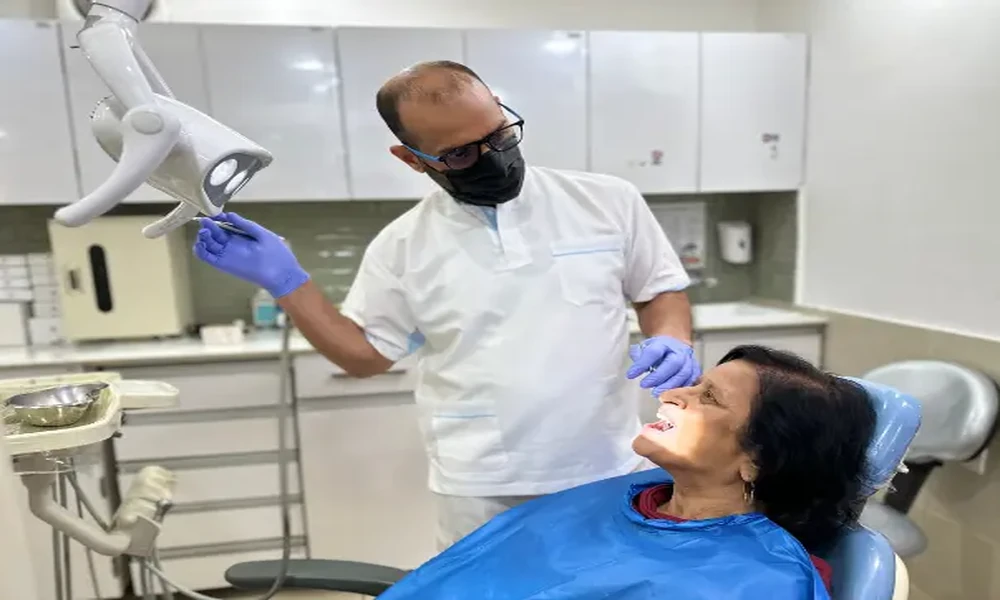
You brush, you try to watch the sugar, and somehow a small spot turns into a filling anyway. That can feel frustrating, especially when tooth decay often starts quietly and without pain. Most cavities do not appear overnight. They build slowly as bacteria feed on sugars, make acids, and weaken enamel over time. Knowing which preventive tools actually lower your risk can make dental care feel less confusing and a lot more manageable, especially when supported by cosmetic and restorative dentistry in Tustin.
A general dentist does more than treat decay after it shows up on an X ray or starts to hurt. The goal is to stop the damage earlier, when enamel still has a chance to recover or when vulnerable teeth can be shielded before a cavity forms. The three tools that matter most for many patients are fluoride, dental sealants, and regular professional exams with cleanings. Together, they help strengthen teeth, block out cavity causing bacteria, and catch small problems before they become expensive ones.
Tooth decay starts small, but the cost and stress grow fast
Cavities usually begin in places you cannot fully clean on your own. Deep grooves on molars trap food. Tight spaces between teeth hold plaque. Dry mouth from stress, medications, or mouth breathing leaves less saliva to protect enamel. You may feel like you are doing enough at home, yet one hard to reach area keeps breaking down.
That is where prevention changes the story. According to the National Institute of Dental and Craniofacial Research, the tooth decay process starts when plaque bacteria create acid that pulls minerals from enamel. In the early stage, that damage can still be slowed or reversed. If it keeps going, the enamel breaks, a cavity forms, and treatment gets more involved.
The financial side adds pressure too. A sealant or fluoride treatment is usually simpler and less costly than a filling, crown, or root canal later. The emotional side is just as real. If you have ever put off a dental visit because you were worried about what they might find, you are not alone. Prevention lowers the chance that a routine check turns into a long treatment plan.
Fluoride strengthens enamel before a weak spot becomes a cavity
Fluoride is one of the most proven cavity prevention tools dentists use. It helps replace minerals lost during acid attacks and makes enamel more resistant to future damage. That matters if you snack often, drink acidic beverages, wear braces, have dry mouth, or have had cavities before. Those patterns keep teeth under steady stress.
A dentist may recommend fluoride varnish or another in office treatment if your risk is higher than average. These treatments place a concentrated fluoride layer directly on the teeth, where it can support enamel in vulnerable areas. The National Institute of Dental and Craniofacial Research explains the benefits of fluoride for oral health in both children and adults.
Fluoride is not just for kids. Adults with recession, exposed roots, frequent decay, or reduced saliva often benefit from it just as much. If your teeth seem fine but you keep getting “small” cavities, that pattern usually points to ongoing enamel weakness, not bad luck.
Dental sealants protect the grooves where brushing misses
Molars are built to chew, and their deep pits and grooves are also perfect hiding places for plaque. Even careful brushing may not reach every narrow crevice. Dental sealants solve that problem by covering those grooves with a thin protective coating, making the surface smoother and easier to clean.
Sealants are often linked with children, but many teens and adults can benefit too, especially if their back teeth have deep grooves and no existing fillings in those spots. The Centers for Disease Control and Prevention explains how dental sealants help prevent cavities by keeping out food and bacteria.
This is one of the most practical forms of preventive dental care because it targets the exact area where many cavities begin. If you have ever heard that a molar “just has a soft spot” or “keeps collecting plaque,” sealants may be worth asking about.
Professional exams and cleanings catch risk early and remove what home care leaves behind
Brushing and flossing matter, but they cannot remove hardened tartar. Once plaque calcifies, it sticks to the teeth and creates a rough surface where more bacteria collect. A professional cleaning removes that buildup. An exam adds something just as valuable, which is a trained look at early enamel changes, gum recession, bite wear, and areas that are becoming harder to keep clean.
This is where preventive dental treatments become personal. One patient may need fluoride because of dry mouth. Another may need sealants because of deep grooves. Another may need shorter recall visits because plaque builds up fast despite good habits. A general dentist uses these visits to match the tool to the risk instead of giving everyone the same advice.
| Preventive Tool | What It Does | Best For | Main Advantage |
|---|---|---|---|
| Fluoride treatment | Rebuilds minerals in enamel and strengthens weak areas | Children, adults with dry mouth, frequent cavities, exposed roots | Helps stop early decay before a cavity forms |
| Dental sealants | Covers deep grooves on chewing surfaces | Molars with pits and fissures, often in kids, teens, and some adults | Blocks bacteria in spots a toothbrush may miss |
| Professional exams and cleanings | Removes tartar and identifies early risk areas | Anyone who wants to lower long term cavity risk | Finds small problems early and supports a custom prevention plan |
Small steps now lower the chance of bigger dental work later
Ask for a cavity risk review. Do not settle for a quick “everything looks okay” if you keep getting decay. Ask whether dry mouth, diet, crowding, old fillings, or gum recession are raising your risk. This helps identify which of the 3 key preventive tools dentists use to reduce cavity risk fits you best.
Protect the teeth that are hardest to protect at home. If your molars have deep grooves or your dentist keeps watching the same spots, ask whether sealants make sense. If you have sensitive areas near the gumline or a history of frequent decay, ask whether fluoride treatment should be part of your visits.
Keep preventive visits on schedule. It is easy to postpone cleanings when nothing hurts. That is usually when decay has the most time to grow unnoticed. Regular visits give your dentist a chance to use these dentist tools for cavity prevention before treatment becomes more invasive and more expensive.
Cavity prevention is rarely about doing one big thing perfectly. It is usually about using the right support before a weak spot turns into a problem. Fluoride strengthens enamel, sealants guard the most vulnerable grooves, and routine professional care catches changes early. If you want fewer surprises at your next dental visit, schedule a checkup with a general dentist and ask which preventive tools fit your risk level best.