

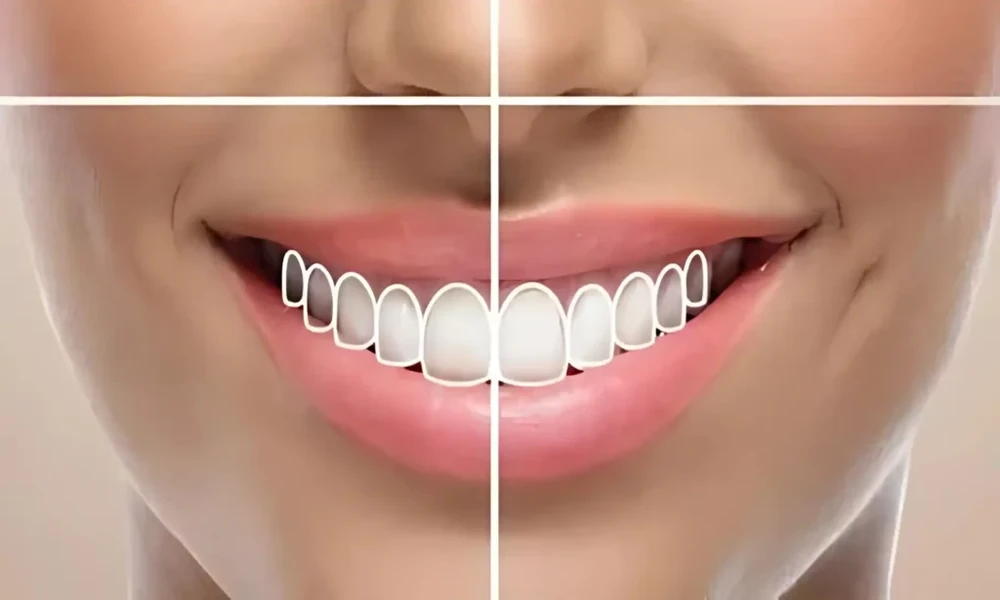
You might be feeling pulled in two directions at once. On one hand, you want dental implants that feel secure and work well every day. On the other, you want your smile to look like you, not like dental work. That tension is real, especially when you have already spent time, money, and emotion thinking about missing teeth, worn teeth, or an uneven smile. If you are wondering whether the final result can be both functional and beautiful, the short answer is yes. That is where Digital Smile Design can help. It gives you and your implant and cosmetic dentist a clearer way to plan tooth shape, size, position, and balance before treatment moves too far ahead, helping you improve your smile with a cosmetic dentist in Hyannis.
For many people, the hardest part is not the procedure itself. It is the uncertainty. Will the implant crown match your face? Will your smile look too long, too square, too bright, or somehow off? Because of this, a more visual planning process can bring real peace of mind. A digital smile planning for implants approach helps reduce guesswork and creates a treatment plan that respects both health and appearance.
Why can implant results look disappointing when planning starts too late?
Implants are often talked about as if they are only about replacing missing teeth. But a tooth does not exist on its own. It sits within your smile line, your gum contour, your bite, and even the way your lips move when you talk or laugh. If planning focuses only on where the implant fixture goes, without fully considering the final smile, the result may be strong but still feel visually wrong.
This is where frustration can build. You may hear that the implant is successful, yet still feel unhappy when you look in the mirror. Maybe the tooth looks too flat. Maybe the gum line does not match the other side. Maybe the front teeth do not follow the curve of your lower lip. These details matter because they affect whether your smile feels natural.
Research and academic training in digital workflows show how technology can improve implant planning by connecting diagnosis, design, and restoration. Harvard School of Dental Medicine outlines how implant digital dentistry supports more precise planning and communication. That matters because better planning at the start often leads to fewer surprises at the end.
So how does Digital Smile Design help create more natural implant and cosmetic dentist results?
Digital Smile Design starts with images, measurements, facial analysis, and bite records. Instead of choosing a crown shape in isolation, your dentist can study how your teeth relate to your face as a whole. That means the plan can consider tooth width, length, midline, gum symmetry, and smile arc before the implant restoration is finalized.
Think about a common situation. A person loses one front tooth and assumes the replacement only needs to match the neighboring tooth. But what if the neighboring tooth is worn down, slightly rotated, or part of a smile that already feels uneven? In that case, copying one tooth may not create the best result. A digital preview can show whether small changes to surrounding teeth, gum levels, or proportions would make the final outcome look more balanced.
This also improves communication. You can react to a visual plan much more easily than to technical terms alone. If something looks too broad or too long, that can be discussed before the final restoration is made. A published review from Penn Dental Medicine explains how digital workflows support diagnosis, interdisciplinary planning, and restorative accuracy in implant care. You can read more in this digital dentistry research review.
What practical differences can digital smile planning make before you commit?
When you are weighing treatment, it helps to compare traditional planning with a more design driven process. Not every case needs the same level of complexity, but for visible teeth and cosmetic concerns, the difference can be meaningful.
| Planning Approach | What It Often Focuses On | Possible Benefit | Possible Limitation |
|---|---|---|---|
| Traditional implant planning | Bone, implant position, basic tooth replacement | Strong functional foundation | Smile details may be addressed later, when changes are harder |
| Digital smile design for dental implants | Facial balance, tooth proportions, gum line, bite, final appearance | More predictable esthetic outcome and clearer communication | May require more planning time and coordination |
| Implant only mindset | Replacing one missing tooth in isolation | Can seem simpler at first | May miss issues in nearby teeth or the overall smile |
| Smile based treatment planning | How the implant fits the whole smile | Supports a result that looks more natural in photos and in person | Sometimes reveals the need for added cosmetic treatment |
So, where does that leave you? Usually with a better question. Instead of asking, “Can I get an implant here?” you may need to ask, “What will this look like when everything is finished?” That shift can protect you from a result that is technically sound but emotionally disappointing.
What can you do right now if you want a better implant smile outcome?
1. Ask to see the final smile plan early. Before treatment moves forward, ask how the final tooth or teeth will be designed. If your concern is appearance, you deserve more than a basic explanation. Ask how your dentist evaluates tooth shape, gum symmetry, and smile line.
2. Bring old photos of your smile. If you have pictures from before tooth loss, wear, or damage, bring them. They can help guide shape, length, and character. This is often useful in cosmetic implant planning because it gives the team a more personal target.
3. Ask whether surrounding teeth and gums affect the result. Sometimes the implant is only one part of the story. Whitening, bonding, contouring, or gum treatment may help the implant blend naturally. A good plan looks at the whole smile, not just the empty space.
Can a more thoughtful plan really change how you feel about the result?
Yes, and that matters more than people sometimes admit. A successful implant should let you chew and speak with confidence, but it should also help you feel at ease when you smile without thinking about it. When planning starts with both function and beauty in mind, the final result is more likely to feel like your own smile, restored rather than replaced.
If you are considering treatment with an implant and cosmetic dentist, ask how the smile is designed before the restoration is made. That one conversation can tell you a lot about the care you are receiving, and it may help you move forward with more clarity and less stress.