

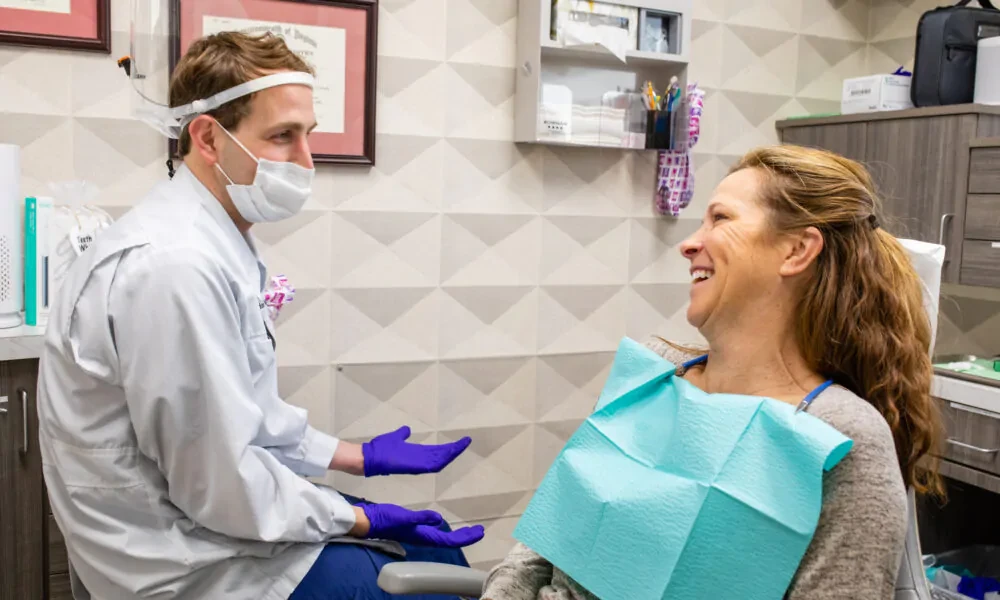
Uneven spacing between teeth is a common dental concern that can affect both appearance and oral function. Some people feel self-conscious about gaps in their smile, while others may experience issues with food trapping, bite alignment, or uneven tooth wear. When exploring treatment options, two commonly discussed solutions are dental veneers and orthodontic treatment.
While both approaches can improve the appearance of spaced teeth, they serve different purposes and may be appropriate for different situations. Understanding when veneers can effectively address uneven spacing-and when orthodontic treatment may be the better choice-can help patients make informed decisions about their oral health and smile goals.
Understanding Uneven Tooth Spacing
Uneven spacing occurs when gaps develop between teeth or when teeth are not positioned evenly within the dental arch. Some spacing concerns are purely cosmetic, while others may affect oral function and long-term dental health.
Common causes of uneven spacing include:
- Naturally small teeth
- Missing teeth
- Genetics
- Thumb-sucking during childhood
- Gum disease and bone loss
- Jaw size discrepancies
- Tongue thrusting habits
The severity of spacing issues often determines which treatment option may be most suitable.
Understanding Dental Veneers
Dental veneers are thin shells, typically made from porcelain or composite materials, that are bonded to the front surfaces of teeth. Veneers are commonly used in cosmetic dentistry to improve the appearance of:
- Small gaps between teeth
- Uneven tooth shapes
- Minor misalignment
- Tooth discoloration
- Chipped or worn teeth
Because veneers change the visible appearance of teeth, they can often create the illusion of a straighter, more evenly spaced smile without moving the teeth themselves.
Understanding Orthodontic Treatment
Orthodontic treatment, including Invisalign and traditional braces, works by gradually moving teeth into more ideal positions. Unlike veneers, orthodontics addresses the underlying alignment issue rather than masking its appearance.
Orthodontic treatment may be recommended for:
- Moderate to severe spacing issues
- Bite problems
- Crowded teeth
- Jaw alignment concerns
- Functional chewing issues
The goal is to improve both aesthetics and long-term oral function.
When Veneers Can Help Uneven Spacing
Veneers may be an effective solution when spacing concerns are primarily cosmetic and relatively minor.
Small Gaps Between Teeth
Patients with small spaces between otherwise healthy teeth may achieve excellent cosmetic results with veneers.
Uneven Tooth Size
Sometimes gaps occur because certain teeth are naturally smaller than neighboring teeth. Veneers can increase tooth width and create a more balanced appearance.
Multiple Cosmetic Concerns
Veneers may be particularly beneficial when patients want to address several aesthetic issues at once, such as:
- Minor spacing
- Tooth discoloration
- Uneven tooth edges
- Small chips or wear
In these cases, veneers can provide comprehensive cosmetic improvement.
Faster Cosmetic Results
For some patients, veneers may offer a quicker cosmetic solution compared to orthodontic treatment, which often requires several months or longer.
When Orthodontics May Be the Better Choice
While veneers can improve appearance, orthodontics may be the more appropriate option when spacing affects tooth positioning or bite function.
Larger Gaps Between Teeth
Significant spacing issues often require tooth movement rather than cosmetic masking. Orthodontic treatment can properly close gaps while preserving natural tooth structure.
Bite Alignment Problems
If uneven spacing is accompanied by:
- Overbite
- Underbite
- Crossbite
- Open bite
Orthodontics typically addresses these concerns more effectively than veneers.
Younger Patients
Teens and younger adults with developing smiles may benefit more from orthodontic treatment because it corrects the underlying alignment issue rather than altering healthy tooth structure.
Long-Term Functional Concerns
Orthodontics may help reduce:
- Uneven tooth wear
- Difficulty chewing
- Jaw discomfort
- Increased risk of future alignment problems
In these situations, correcting tooth position often provides advantages beyond aesthetics.
Key Facts Patients Should Know
Before deciding between veneers and orthodontics, patients should understand several important considerations.
- Veneers improve appearance but do not move teeth.
- Orthodontics changes actual tooth positioning.
- Veneers require some alteration of the tooth surface in many cases.
- Orthodontic treatment may take longer but addresses underlying alignment issues.
- Some patients benefit from a combination of both treatments.
- A comprehensive dental evaluation is essential before choosing a treatment plan.
Each patient’s situation is unique, and recommendations vary based on oral health, goals, and the severity of spacing concerns.
Common Signs That Professional Evaluation Is Needed
Patients should consider a dental consultation if they notice:
- Visible gaps between teeth
- Teeth that appear unevenly spaced
- Difficulty chewing properly
- Changes in bite alignment
- Food frequently getting trapped between teeth
- Concerns about smile appearance
- Shifting teeth over time
Early assessment can help determine the most appropriate treatment options.
Prevention and Treatment Considerations
Although some spacing issues are genetic, certain habits can help support long-term oral health.
Prevention Strategies
- Maintain good oral hygiene
- Attend regular dental examinations
- Address gum disease promptly
- Wear retainers as directed after orthodontic treatment
- Avoid habits that place pressure on teeth
Treatment Options
Depending on the cause and severity of spacing, treatment may include:
- Porcelain veneers
- Composite bonding
- Invisalign clear aligners
- Traditional braces
- Dental implants for missing teeth
- Combination cosmetic and orthodontic treatment
A personalized evaluation helps determine the most suitable approach.
What to Expect During a Dental Visit
Assessment and Examination
The dentist evaluates spacing concerns, bite alignment, gum health, and overall oral condition.
Diagnostic Imaging
Digital scans, photographs, or X-rays may be used to assess tooth positioning and treatment possibilities.
Treatment Planning
A customized plan is developed based on the patient’s goals, oral health, and cosmetic expectations.
Discussion of Options
The dentist explains the benefits, limitations, and expected outcomes of veneers, orthodontics, or combined treatment approaches.
Follow-Up Care
Regular monitoring ensures treatment progresses as planned and supports long-term oral health.
Local Considerations for Ontario Patients
Ontario patients concerned about uneven spacing may benefit from seeking evaluation before gaps become larger or contribute to bite complications. Early intervention can often expand treatment options and help preserve long-term oral health.
Patients interested in improving smile aesthetics may benefit from consulting a dental clinic in Cambridge, ON to determine whether veneers, orthodontic treatment, or a combination approach is most appropriate for their specific concerns.
In some situations, treatments such as dental veneers, Invisalign, dental implants, family dentistry services, or cosmetic dental procedures may be considered as part of a comprehensive smile improvement plan.
Frequently Asked Questions
Can veneers completely close gaps between teeth?
Veneers can often close small to moderate gaps by improving the visible shape and size of teeth. However, larger gaps may be better treated with orthodontic tooth movement.
Are veneers better than Invisalign for spacing issues?
Neither treatment is universally better. Veneers improve appearance, while Invisalign addresses actual tooth positioning. The ideal option depends on the cause and severity of the spacing.
Do veneers damage natural teeth?
Veneers typically require some enamel modification, although the amount varies. Your dentist can explain the preparation process and available alternatives.
How long do veneers last?
Porcelain veneers can often last many years with proper care, oral hygiene, and regular dental visits.
Can I get veneers after orthodontic treatment?
Yes. Some patients choose veneers after orthodontic treatment to refine tooth shape, color, or other cosmetic concerns.
When should I see a dentist about gaps between my teeth?
If gaps are increasing, affecting your bite, trapping food, or causing cosmetic concerns, it is a good idea to schedule a professional evaluation.
Final Thoughts
Both veneers and orthodontic treatment can improve uneven spacing, but they achieve different goals. Veneers are often an excellent cosmetic solution for small gaps and aesthetic concerns, while orthodontics may be more appropriate when spacing affects tooth alignment, bite function, or long-term oral health.
Understanding the strengths and limitations of each option can help patients choose the treatment that best supports their needs and smile goals. At Cambridge Centre Dental Care regular dental checkups and professional guidance can help patients maintain long-term oral health and address concerns before they become more serious.